-
Quick Response to “Light While There is Light: an American History” by Keith Waldrop
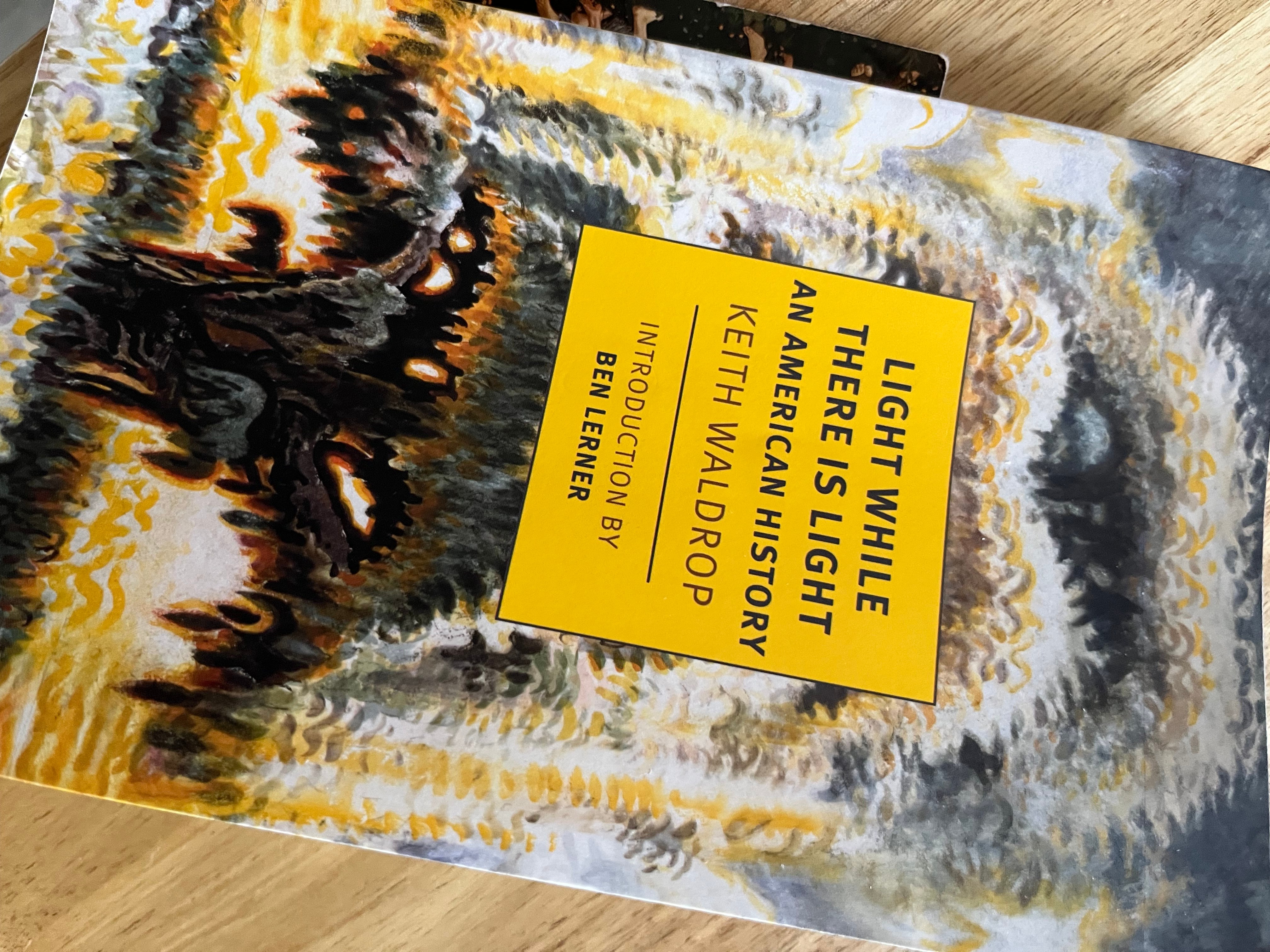
I finished “Light While There is Light: an American History” by Keith Waldrop today. It is the RFB selection for September. It was my turn to choose. I am not sure what to think. I finished it mainly because it was my pick. It took longer than it should have being only 200 pages, but it certainly did not call to me to finish. Although one of our group said he read it in two days, and couldn’t put it down. Waldrop is a contemporary poet, winner of the National Book Award for Poetry, connected to the LANGUAGE poets. I have read more than a little of his poetry. So when I ran across this book, published by The New York Review of Books I thought it would be an easy pick. But I am not sure what to think. It reminds me of Educated (which I loved for its naive sense of self and modesty), and “Hillbilly Elegy” which I despised for its self serving propaganda. Waldrop’s book, like these two, is about growing up in a poor and religious fundamentalist family in modern America, and the difficulties of shaking off those aspects of American life in order to live your own life. While I found interesting ideas, and sentences throughout the entire book—“But I did not know, all the terms of my knowing in process of becoming meaningless.” and then when talking about speaking in tongues at church and revivals—“the only voices I ever found in me now were parodies” The part of the book I enjoyed the most were the last 50 or so pages when he talks about his family’s fascination with the Ouija board, and other aspects of spirituality each of the family members pursue as they moved into adulthood. Over all I think, I should have read the whole book as fast as I read the last 50 pages. It might have cohered better that way.
(September 6, 2026)
-
From Shame Secrets Grow

We extrapolate darkness
as if somehow we can trace
a way past the next horizon
with the sun always settingperpetually on the edge
of our small redemptions.
While no confession’senough to encompass
the ease of complicity,
there is no life without guilt,no guilt without awareness:
the sparrow will always fall,
as once will we all in timesimultaneously with the sun.
(September 4, 2026)
-
Quick Response to Cruelty/Killing Floor by Ai
by
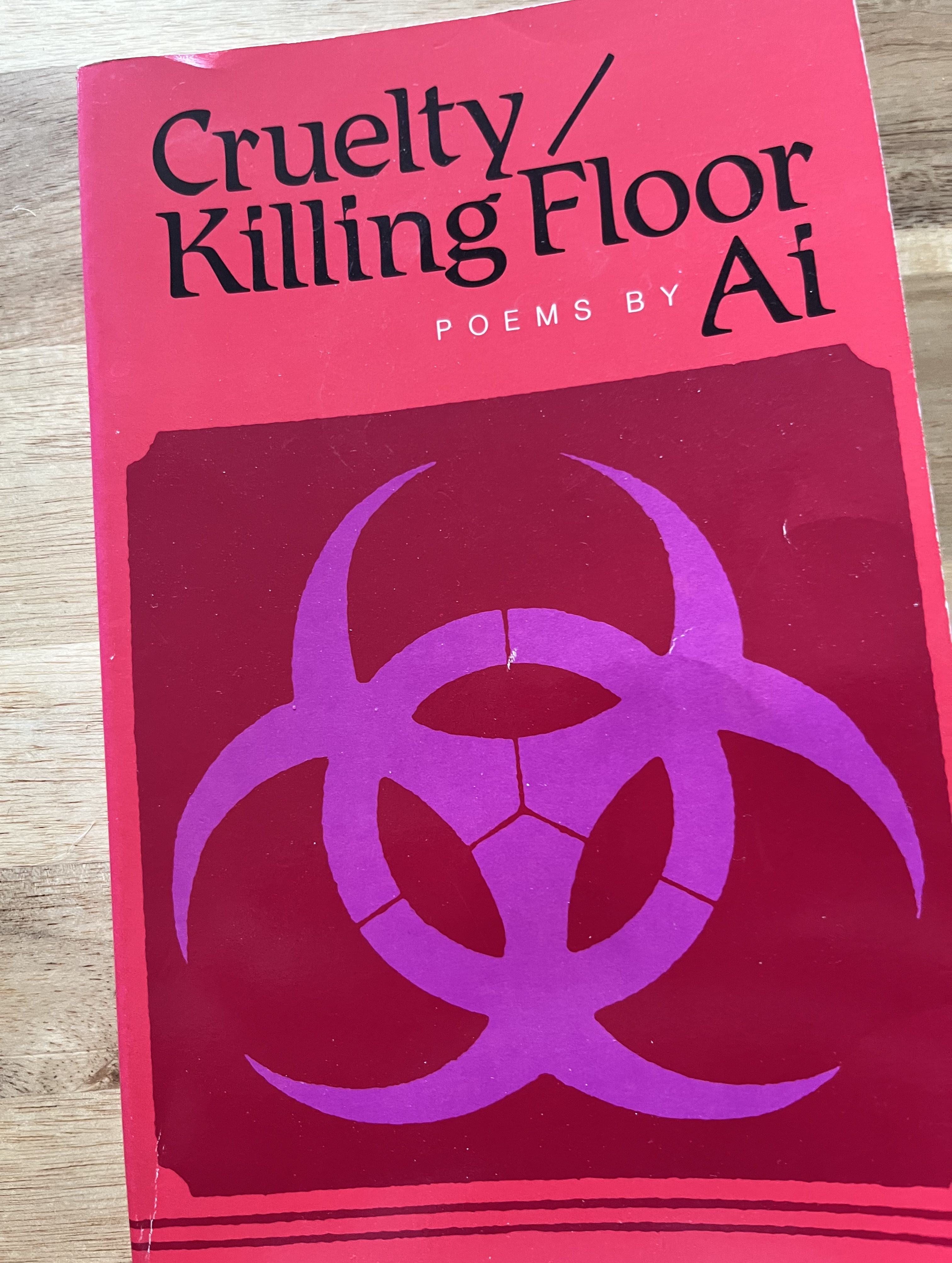
I finished Cruelty/Killing Floor by Ai (that is her name, not Artificial Intelligence).
I have read poems of hers over the years in various anthologies. The first poem I read by her was “The Country Midwife: a Day” One of the first poems in Cruelty. It was assigned in the first creative writing class I took at UT with Kirk Heinzelman back in the fall of 1980. That poem, like all of the poems I have ever read by her, was a dramatic monolog. The speakers range from a midwife watching her patient bleed out, to a mortician’s 12 year old son about to act out a fantasy on the corpse of a prostitute. All of the poems have strong imagery, dazzling imagery…disturbing imagery. Ai does not spend a lot of time on nature, but instead she focuses on the darker side of the human condition. Ai is a stunning poet.
-
Impasse
by
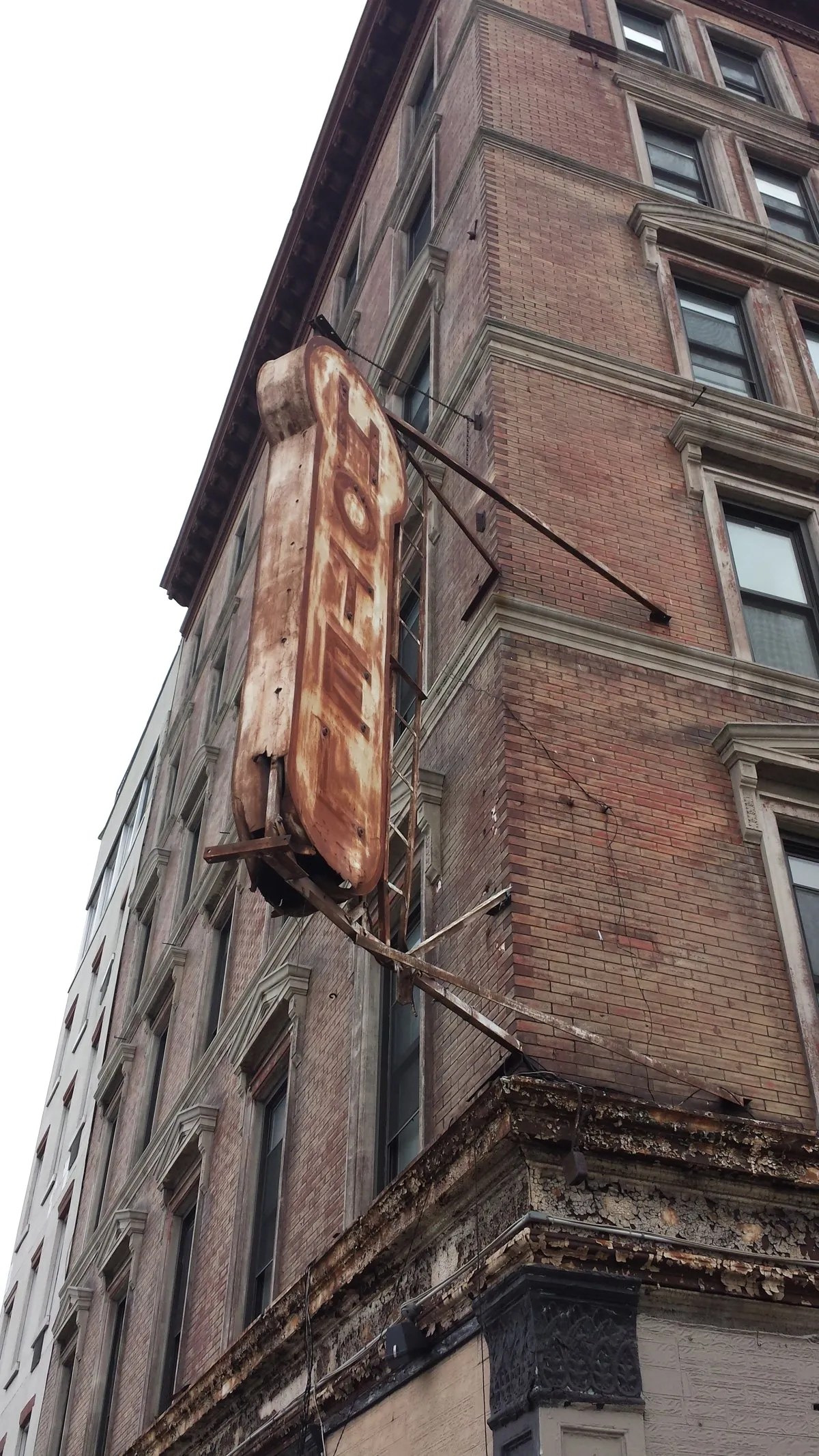
We sit in a dark room in an old hotel. Electricity still flickers and water still spurts, but only sporadically. Everyone keeps to their rooms. It is safer not to know, less arguments that way. If the glass was not so smudged with dirt, we could look out the window, but we probably would not out of fear. The desk does not take messages, not that anyone is calling. Rent is extracted, of course, for the bed each month on the third automatically. Except for the police, who don’t know what to do, the streets are empty. They wait impatiently, but police are uncomfortable waiting. They tap their truncheons on their dark boots and look with lust toward the hotel’s once elegant entrance.
(August 31, 2026)
-
Old Man Talking
by
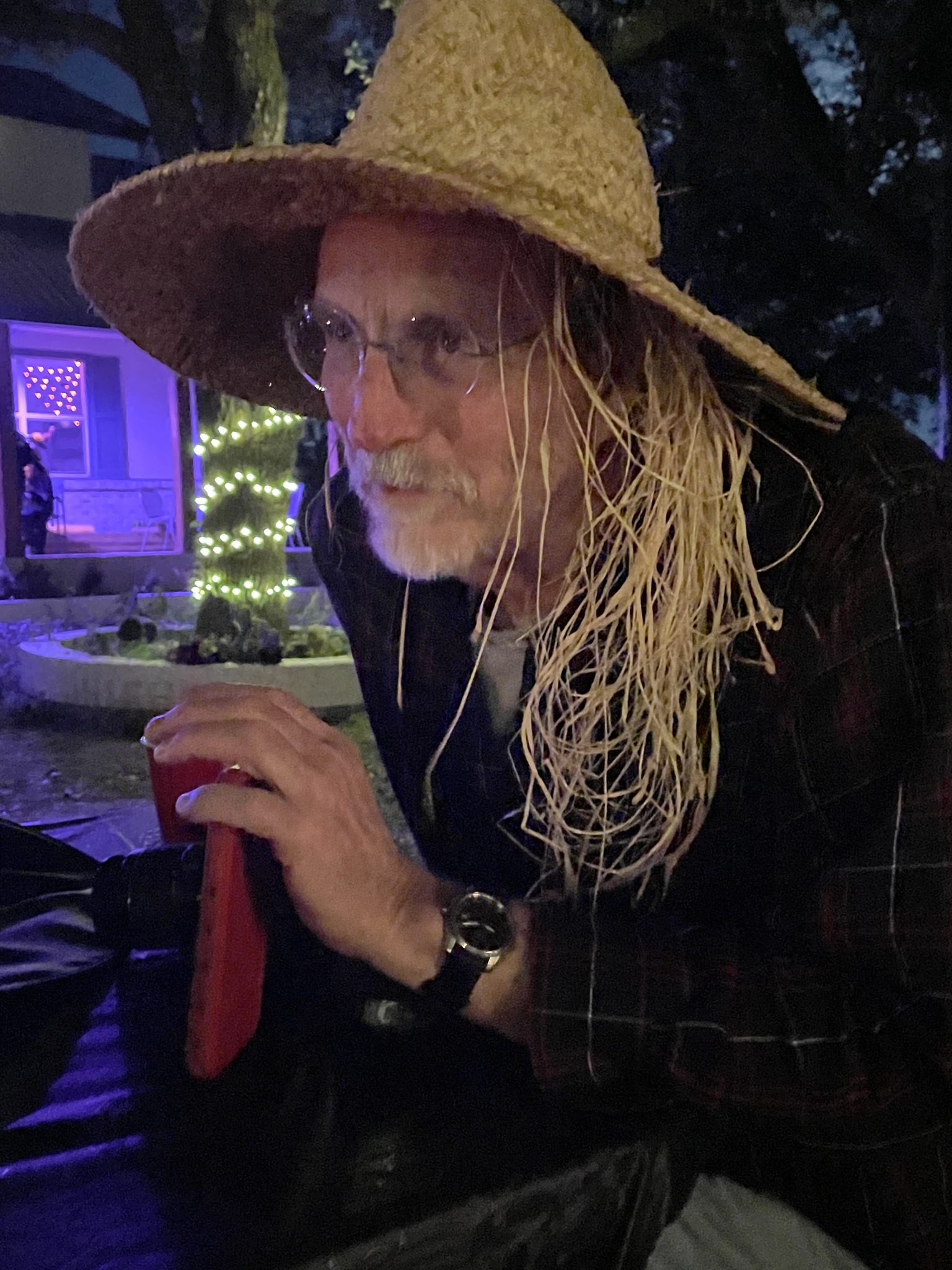
I’ve told this story before—
with a different point,
a different ending,
a different resolution.
Most of my stories don’t end.They trail off into the dark
of another day’s words,
some other recollection.
(August 29, 2026)
-