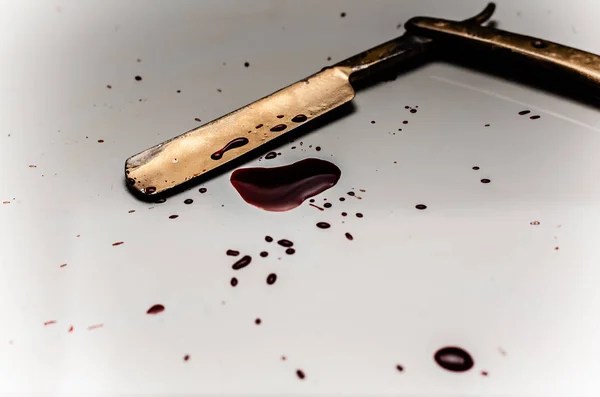
As the blood drips
from the slit wrist,
he turns away.
He decides, perhaps,
it is better to sit,
and slides down the wall
as the razor drops
with a clatter
to the floor.
(February 10, 2025)
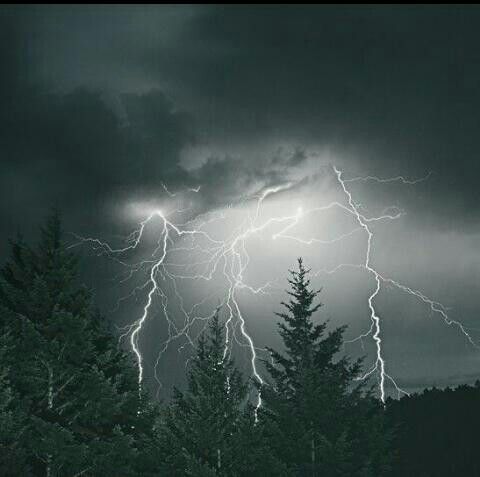
I want to fall
to be in the storm
through the night
the wind breaking branches
above my head
rain lashing the air
with elemental righteousness
instead I cower
in the dubious safety
of this cave
huddled against a stone
with no reason to believe
the rising water
will not continue
until I drown
(February 7, 2025)
by

Poems of witness. Too bad they must continue to be written. These were written by a 27 year old woman in the dying Soviet Union’s gulags. Carved into soap with a matchstick, then washed away after being memorized.
And then they’ll torch the cattle, houses with napalm,
measure the children with wheels of a tank,
level walls to the ground.
But maybe they won’t touch the crazed old women—
and don’t keep bringing up the schoolbook: the condemned
know the histories—
time’s worn thin above the place of execution, begins to leak.
God grant you don’t learn what the wife of salt will see:
a PPSh machine gun or a short Roman sword?
—23 July 1984
Irina Ratushinskaya
by

This morning, I pulled a book of unread Russian poetry
off of the shelf. It was contemporary when I bought it
forty years ago. The Soviet Union still had a few years
left to force its tight ideological voices to sing together.
The poet had been condemned to prison for being
a poet — the audacity! Standing there in front of full
bookshelves, I read a few of her poems. She spoke
of silences, talking through walls at night, friendships,
fear, love, and hope for a future, vague and undetermined.
Outside the light changed, it grew darker and forty years
vanished within the pages of the slim book of poetry
I held in my hands. Beneath the deafening drum beat
demanding one voice, one monomaniacal lie, I heard,
through our fears, a hope begin to scratch at our walls.
(February 4, 2025)

a quarter moon slips
below the horizon
as an empty lifeboat
drifts out of reach
of the sinking ship
(February 4, 2025)

Beneath the whispers
I hear a nascent breath:
a phrase, isolated,
out of context, yet
still a residual force—
like a white noise
days after a concert,
sings in my inner ear.
Outside the poem,
ghosts of my desires
rise mouthing words
out of order, slurred,
as a pentacostal’s
frozen fire burns.
(February 3, 2025)
by
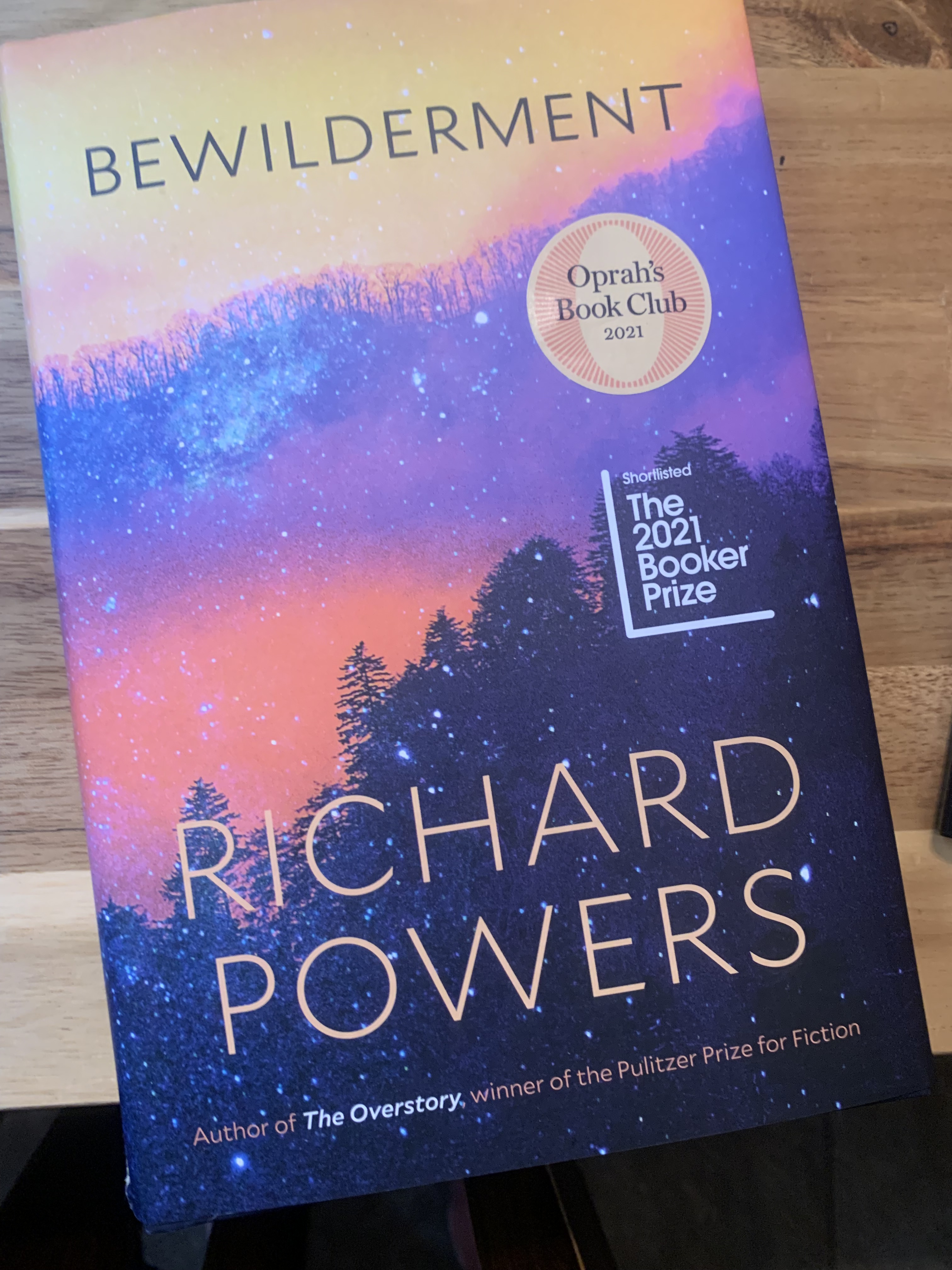
I finished “Bewilderment” by Richard Powers last night. It was a lovely disturbing and heart-rending novel. Awhile back RFB read The Overstory by Powers, it too was lovely and disturbing, but not quite as sad. Where The Overstory was about trees and the destruction of nature and our connection to it, Bewilderment is about the destruction of life as we know it and ourselves. If you have read “Flowers for Algernon” you will recognize the strong allusions and parallels to that classic novel. (If you haven’t read Algernon—what is wrong with you?) In addition to the end of life on the planet, Bewilderment is also about the relationship between a father and son after the loss of the wife/mother. If you haven’t read The Overstory, you should read it. Bewilderment is also great, and a bit shorter.
by
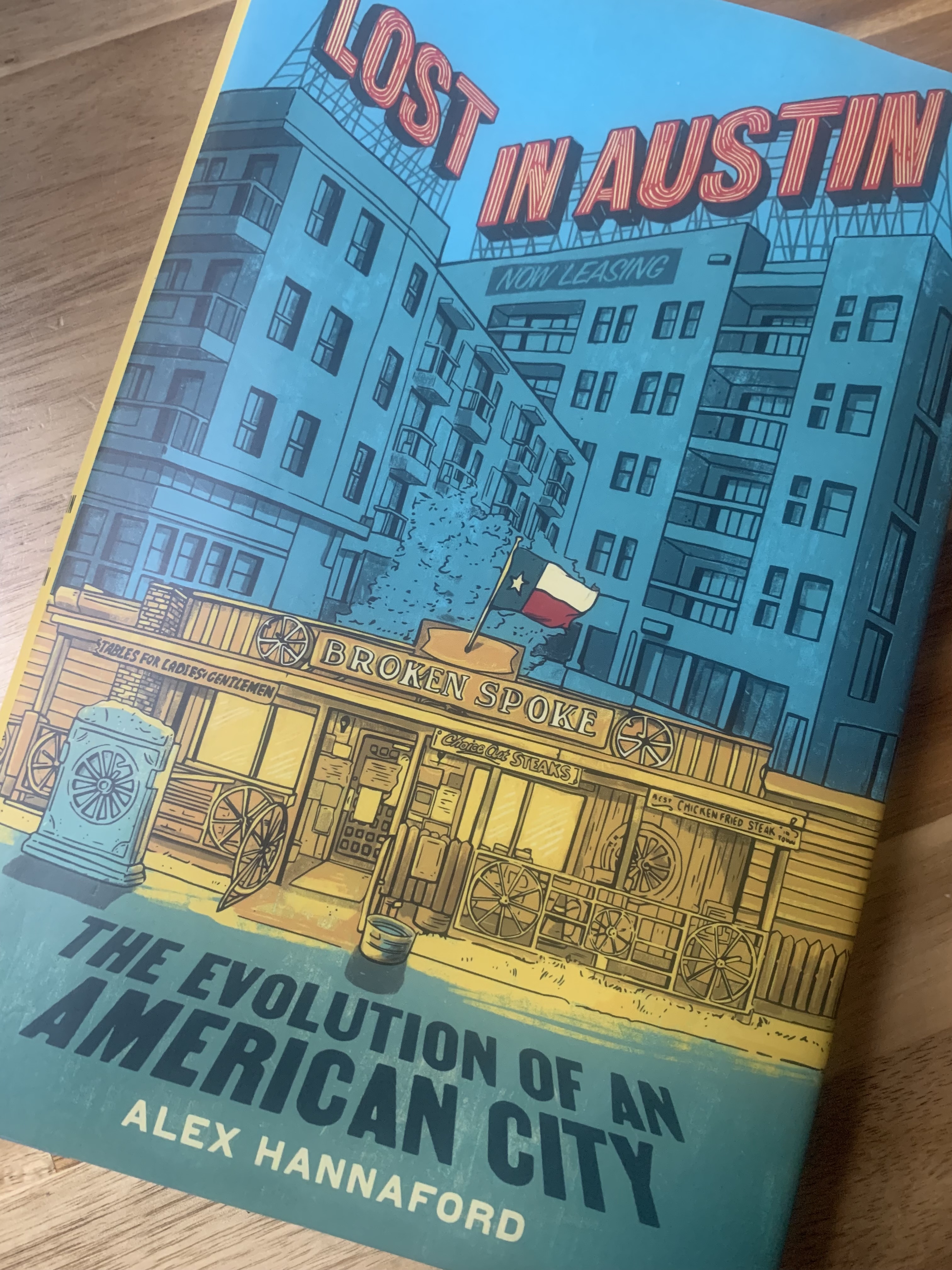
I finished Lost in Austin by Alex Hannaford in a couple of days. It disaggregates the changes in Austin for the worse over the last 25 years (for the most part, with some historical background going back into the 1980’s). My experience of living in the Austin area since 1978 confirms all of what he says in the book. Austin has become too expensive to live in: median income versus median housing costs do not match up. Living in a semi-arid region which is quickly becoming flat out arid due to climate change causes the city to not be “fun” to live in. The increasing descent into right-wing political madness makes the social/political climate unbearable to those attracted to the laid back attitude of Austin. While I agree with most of what Hannaford details in the book about the changes in Austin, I can’t help but think about the old light bulb joke: How many Austinites does it take to change a light bulb? Three. One to change the light bulb, and two to talk about how much better the old light bulb was. Austin has always been different to each succeeding wave of people who move here. The book is a fast read, Hannaford keeps things moving. His mixture of personal reflection of “his Austin” with historical facts (most of which I remember as they occurred) make it an enjoyable and informative book. The sad part is that, like him, it makes me want to finally give up on “my Austin” and move.

“untroubled by a leaf falling
in a garden”
—George Oppen
lost in worry
which troubles you
more than
the obvious death
the obvious moment
in which you live
most of what you know
has diminished
from nuance
eroded into a mass
irrelevant
grave
(January 23, 2025)

these are
the clothes
that are
left us
these are
the rags
we must
wear now
the past
divests
the future
of all
fashion
but one
(January 23, 2025)
by
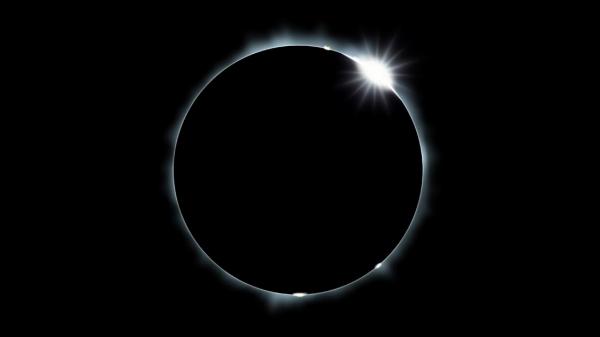
I’ve lost my glasses.
Fog hangs thick; it’s hard to see
beyond the back fence.
The new moon lurks above me,
almost as dark as the sky.
(January 19, 2025)
by
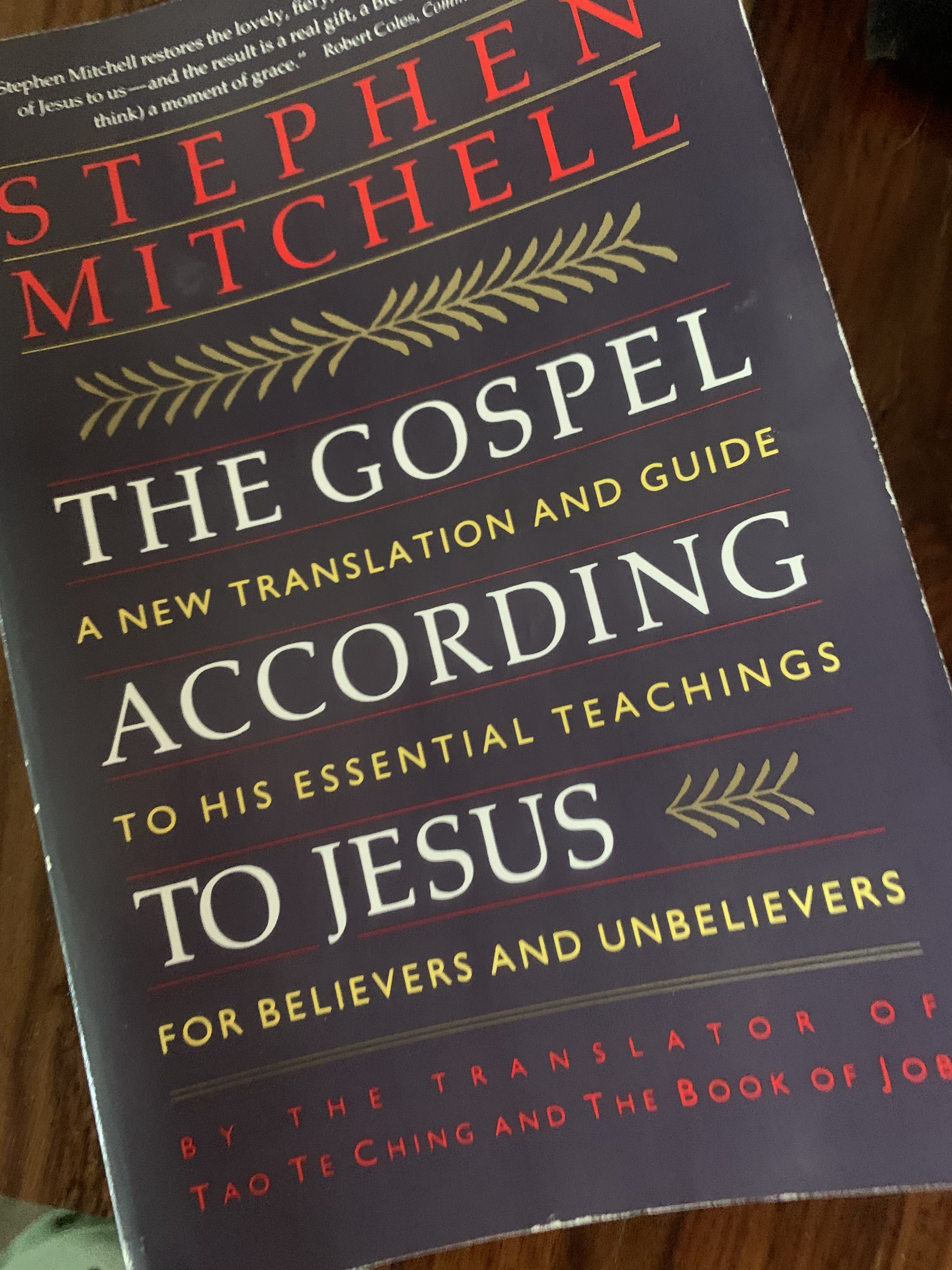
On the advice of a character from a Jim Harrison novel I was reading many years ago, I ordered two translations of Stephen Mitchell: The Book of Job, and The Gospel According to Jesus. I finally got around to reading one of them (one big advantage of retirement). Over the last couple of weeks I have read The Gospel According to Jesus. It was interesting and worthwhile. It opens with a lengthy introduction, followed by a translation of the parts of the gospels which in some versions would be the red-letter parts. After that section, Mitchell returns to the various parts thematically, accompanied with commentary. The commentary is a mixture of Mitchell, selections from Biblical scholars, and similar themes in philosophy (Buddhist, Taoist), and poetry (Blake, Rilke for example). As one of the blurbs on the back of the book says, “This approach succeeds brilliantly. Jesus, or at least Mitchell’s attractive portrait of him, leaps. into life and will fire the interest of believers and nonbelievers alike. (Harvey Cox)” And no, I have not abandoned my apostasy.
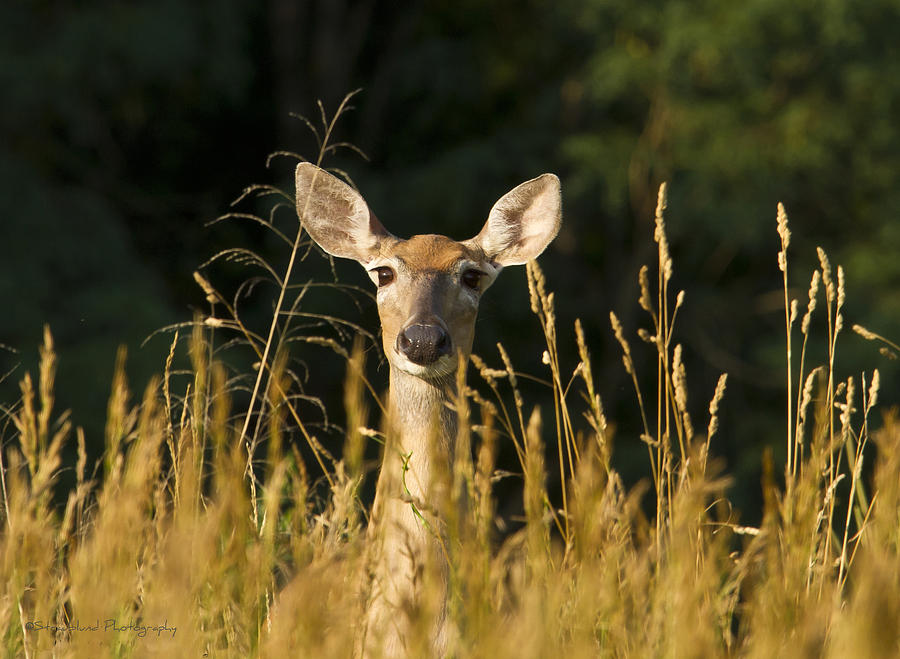
no more than this moment of light
which is enough for now
to bring me to a halt
long enough for the dogs
to look at me bewildered
then a deer rises from the earth
bounds over the high grass
silent as the slow glow
of the rising winter sun
one dog notices
the other notices
our notice
both wag their tails
(January 16, 2025)

fuck my life I say
as I go about my day—
ritual defines
(January 10, 2025)


