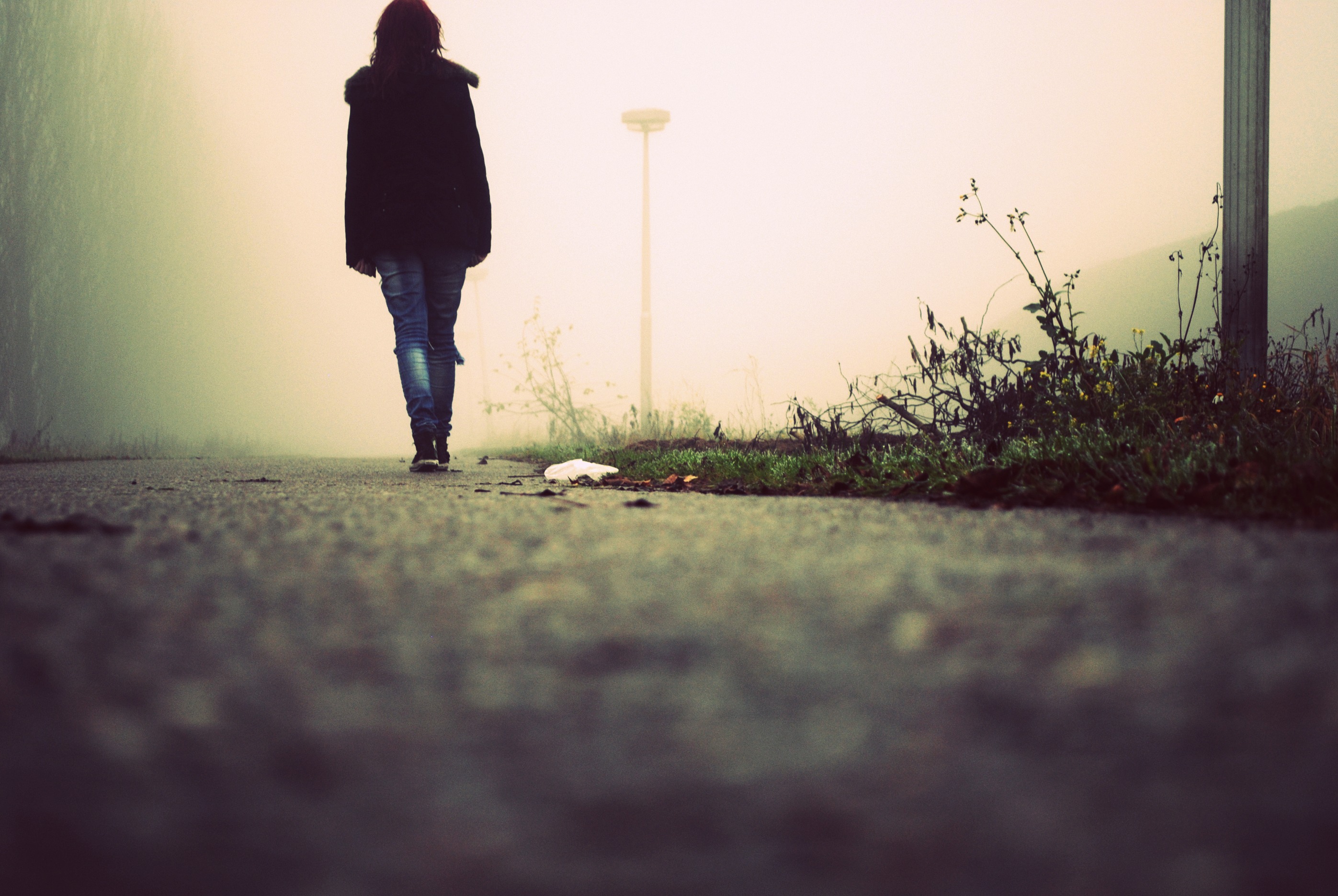
this is where we part
which was not the line
I meant to write down
but the one I remembered
the last time you walked away
(September 12, 2026)
this is where we part
which was not the line
I meant to write down
but the one I remembered
the last time you walked away
(September 12, 2026)
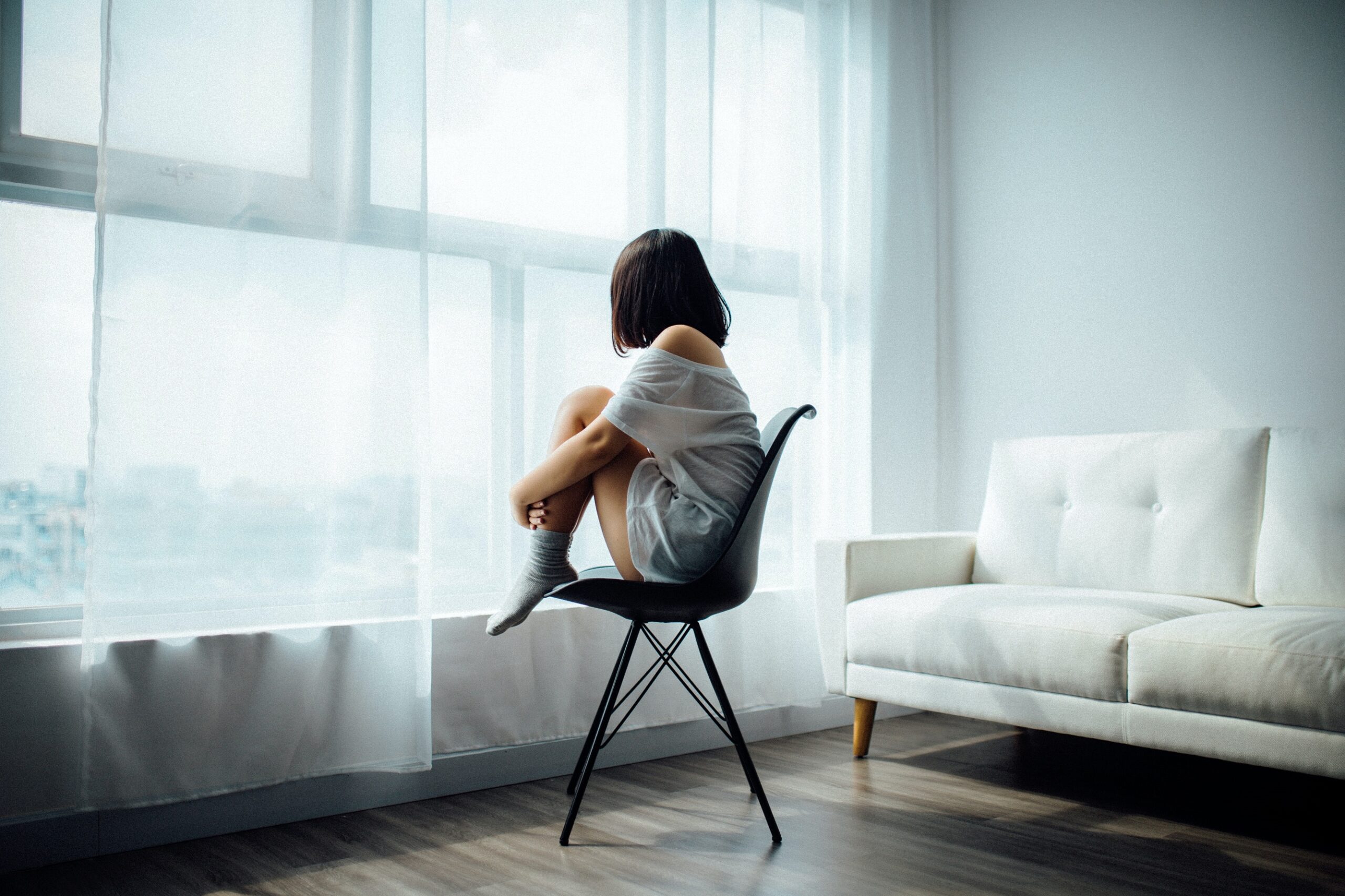
Your hands dance the air
as you sit across the table
describing an event we shared
decades ago in our youth.
We are both there as before;
a sequence of events similar
enough to be the same events;
yet, causality and context shift.
Like Wittgenstein, it dawns
on me slowly that the story
you are telling is not the one
I have told about love’s loss.
You ask why I’m crying;
I realize you never knew.
(July 15, 2026)

What can I do
with conjugations
of being— beyond
a fool’s confession?
I’ve been here before.
Hours hurry past the window
like soft grey mice
skittering between shadows.
The sun slowly approaches
the eastern horizon
as if a mendicant
with an empty bowl.
My impatience vaults
over the obvious words;
I have difficulties
reading as a result.
I crib lines from books
lifting them out of context,
then go down paths
that refuse to exist.
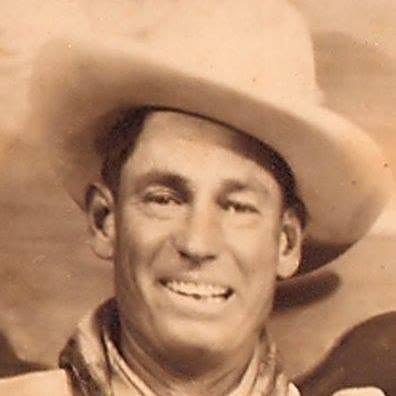
I did not know him
as the child I was
anymore than the man
I have become—
He was a shadow
sifted in story
his deep voice laced
with decades of smoke
before dying
into mom’s revisions
I still don’t know
what I was afraid of
(Father’s Day: June 21, 2026)

This evening the old ghosts have returned.
They inhabit the edges of my vision
whispering their tired secrets to the past.
Like scions of privilege hang in cafes
deconstructing last night’s party gossip,
The ghosts wail their sad regrets-she never said,
nor he listened- Even in death they cling
to their moral shortfalls like life jackets.
If there’s a hell, here is where it festers:
the exhumation, through exegesis,
of dead variations left to decay
like tattered banners along the ramparts
pretend the siege was easily broken
and the dull ashen smoke never smoldered.
(May 25, 2026)
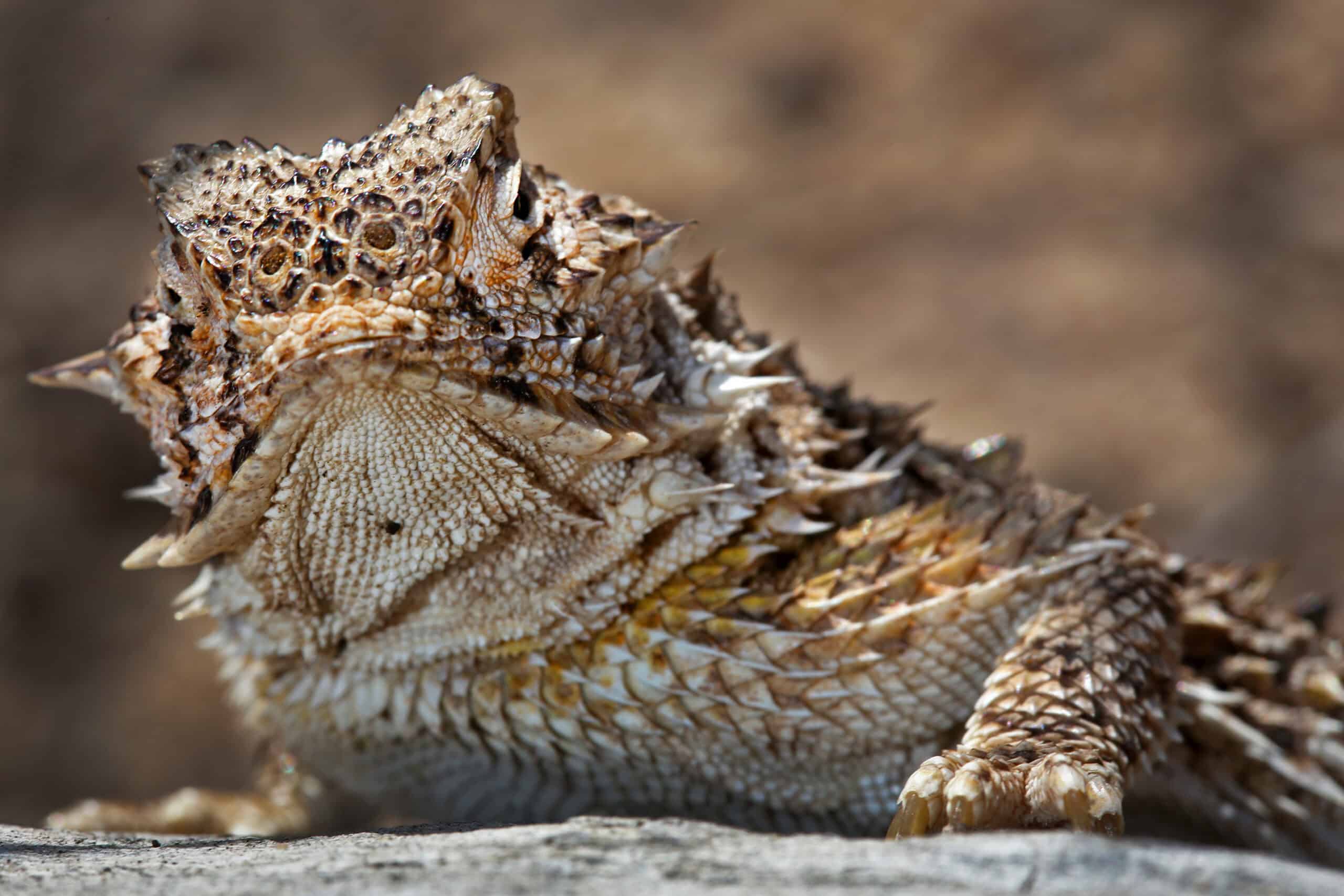
The afternoon sun glares down without ire
as I step out onto the front sidewalk.
A horned lizard eyes me, suspiciously
tilts its head into the still of the day.
Aware without motion, I am no threat
where I am. It’s warm in the sun, why move?
This lumbering slow beast cannot compete.
It knows without knowing; we are killing
ourselves. Small, hot, warm-blooded, bound in fur,
we were no more than rats when its kind loomed
across the humid landscape. Choking on
our own waste, we will perish soon enough.
There’s no hurry. It turns back, looks at me
with disdain, then patiently darts away.
(May 24, 2026)
1.
i cannot move
too much is broken
2.
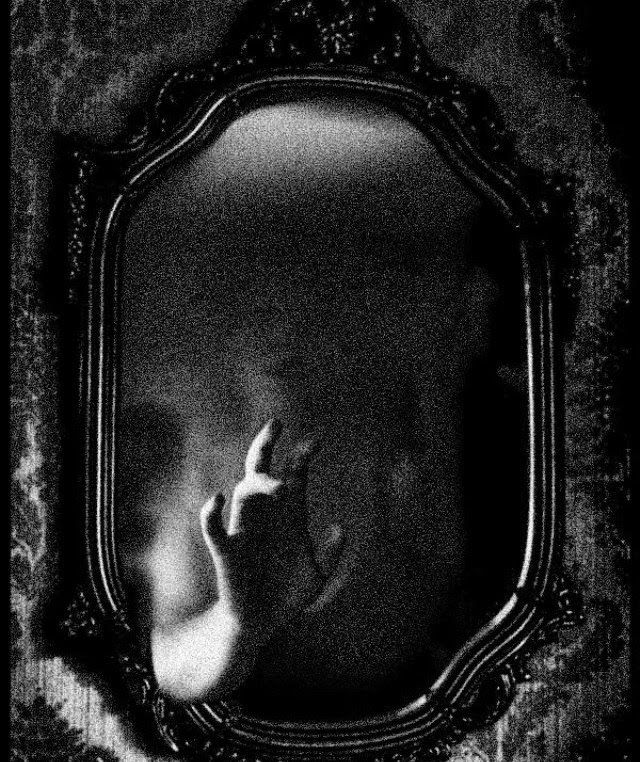
demons live in mirrors
and are trying to escape
3.
it’s almost tuesday
yet there are no doors
4.
there is a dream
i cannot see
(May 19, 2026)
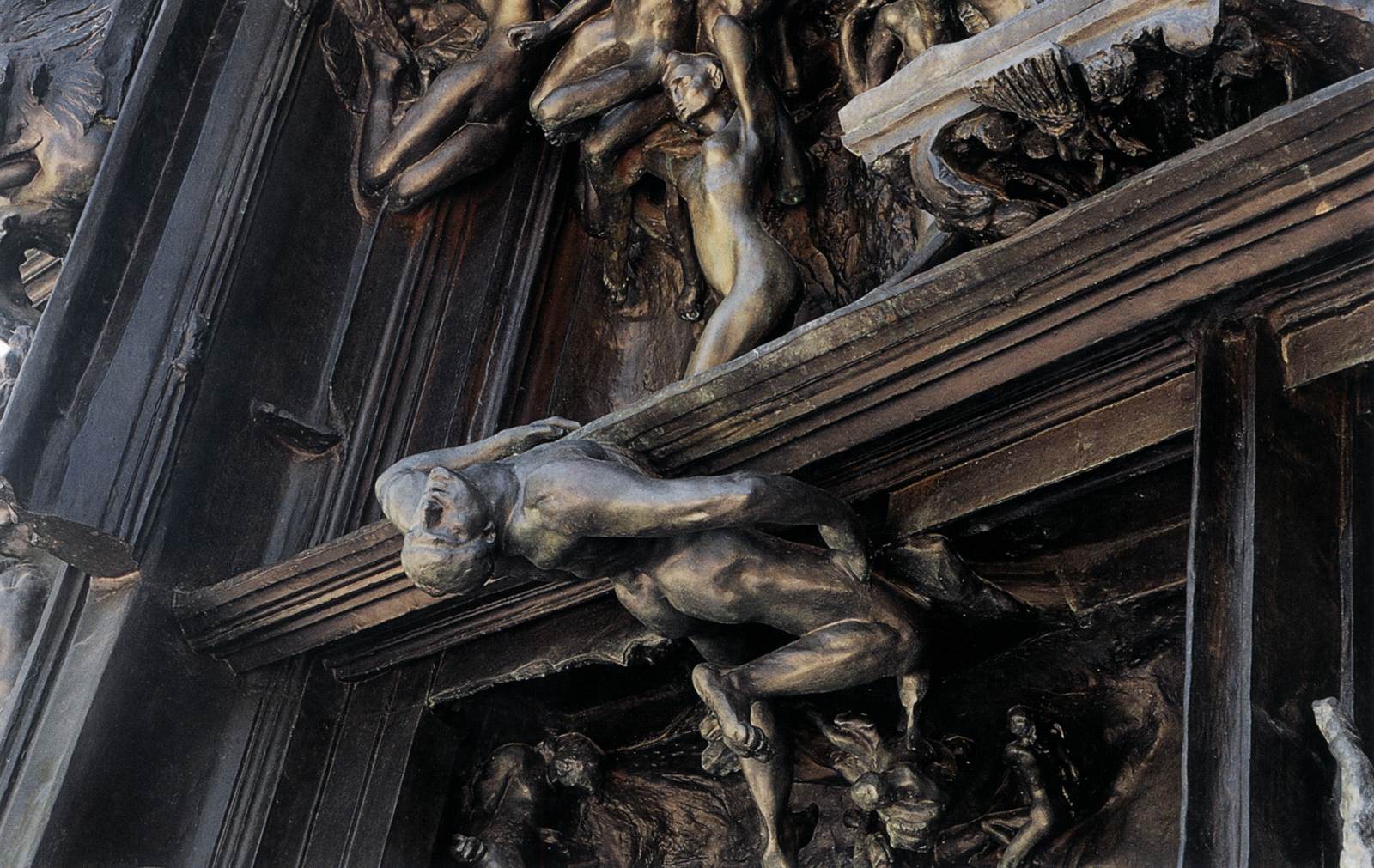
Both long for some other than exists now,
and then vanish when consummated.
Both, in their hearts, contain a tarnished shard
of pessimism which gives them a meaning.
Both are wrapped in a spongey optimism
to protect them from dark life’s toxic barbs.
Both are twin aspects of an endless hell:
one leads you there, one absconds at the gate.
(April 26, 2026)

My father’s ghost has returned
to haunt me after decades
of silence. I only knew
his decline; now, I’m learning
my own, a slow remembrance.
I’m no Hamlet; to avenge
his death, I would kill myself,
there would not be a question.
Telling that story once more,
I am what remains of him.
At night looking for water,
not as broken as he was,
I see him in the mirror,
frowning at me from the side.
My body reflects his own.
My mom used him as a threat
even after he was gone:
If you could be half the man
he was…if he could see you…
what do you think he would say?
She has been gone for years now,
while he hangs on the edges
darkly brooding as in life,
a storm always eminent,
on the verge of violence.
I saw my future at eight,
and a clearer past today:
his presence was an absence
always nearby, yet distant
like a shadow on water.
(November 16, 2025)

The wind gusts in bursts
rushing leaves down the street
in a spasm of seasonal ritual,
as if a pattern’s repetition
creates a meaning separate
from our own simple noticing.
I have a hard time hearing
these voices of the world
through the constant clatter,
through the daily dazzle
and flash of the spectacle
playing in the wind’s
petulant laughter.
My screams are too loud.
To maintain my illusion
of safety, of purpose,
I whisper stories to myself.
I know stories are stories
and how they move through
each other like incestuous ghosts,
or confluent rivers, shaping
one another as they change.
I know change is incremental,
so I listen closely to my heart.
I notice a difference, but
am unsure what is different—
my notice, or the angle
of the wind through the trees.
(November 13, 2025)

He didn’t know how to act, and had no script to follow. She knew her part without book, and said all her lines with ease. This was, she pointed out, not her first time in this role. It was, he thought, a true love story, not just another chance for her to reprise a stock character. Repeatedly, she set the scene, hitting her mark, an easy cue to follow. Scene after scene, he vaguely wandered the stage, wishing he knew what to say; wishing he knew what to do; unable to act on his desires. She was confused. What was his motivation? Why wouldn’t he act? Why did he not respond correctly? Eventually, the farce ended as it began, without preamble, or resolution. Some one laughed in the wings, followed by a slow clap. Then, like a ghost, she left the stage, leaving him to ponder their performance alone, as the lights slowly faded past memory.
(September 5, 2025)

With a metaphor’s
soft fluidity,
one replaces
an other
granting grace
as a form
of explanation.
I breathe;
trees breathe.
Air flows
between
shadow and light.
One to one—
not quite,
but enough.
I mistrust the soul
as a concept
of consciousness.
Not as is said:
a soul with a body,
or a body with a soul,
but some sense
separate from sense,
a constant desire
to set markers,
like a small asterisk
in a dense text
to divert the eye
along the bottom
of the page
like a river
we must cross
to finally arrive home.
Except, all is water;
and, there are no bridges.
(July 27, 2025)

The conversation continues along
the old tracks of cliche. Clack-clack he says.
Clack-clack, she responds. And so goes the night,
Another milk run no one remembers.
I worry about what I should forget,
and forget what I should worry about.
In a forest of clear trails and side tracks,
one word completes the regrets of the whole.
It’s easy to get caught in an eddy,
to circle slowly back to past mistakes,
to unravel a gesture’s soft nuance,
to mean more than anyone could entail.
What could he have said? What could she have said?
The words are spoken. The cast’s determined.
(May 31, 2025)

