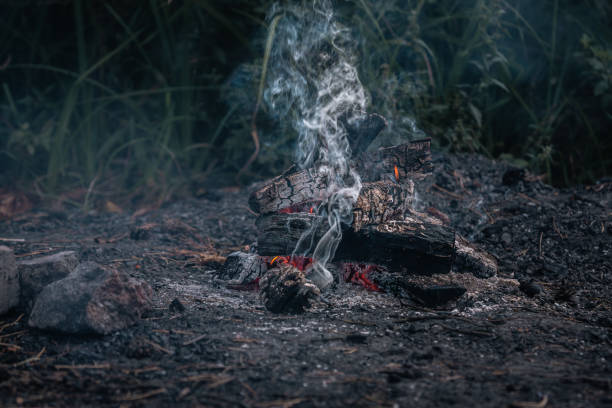
Her ghost lingers
like smoke
from wet embers,
and whisper lines
I’ve rewritten
then attempted to burn.
(October 25, 2026)
To be in the moment
Aware and conscious
Of the vibrant air
Is to be in the past
To think is to lag
Behind the words
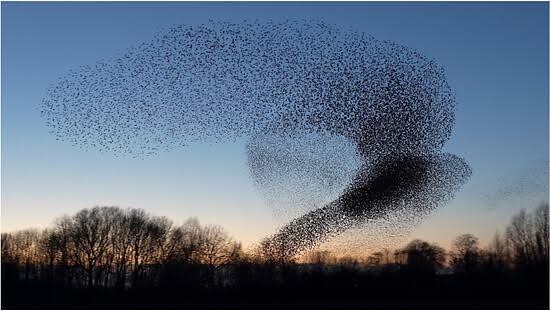
Arising like starlings
Turn in murmuration
The present is evasive
Becoming lost within
The cards’ shuffled
Reiterations
Until everything said
Can only be said again
(October 22, 2026)
I’ve told this story before—
with a different point,
a different ending,
a different resolution.
Most of my stories don’t end.
They trail off into the dark
of another day’s words,
some other recollection.
(August 29, 2026)
Hovering behind me
on the edge of vision,
they show themselves
through innuendo.
No blatant laughter,
but violent whispers
which hint of storms
later from the shadow.
I cannot exorcise them,
because I cannot name them.
They refuse to confess
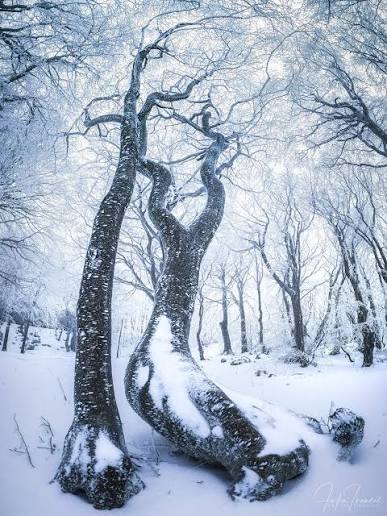
preferring instead to sift
through old possibilities
like snow through dead branches.
(August 20, 2026)
I think of something else,
and become lost in the time
it takes to exhale
like entering a different room
then forgetting why
you left.
(August 8, 2026)
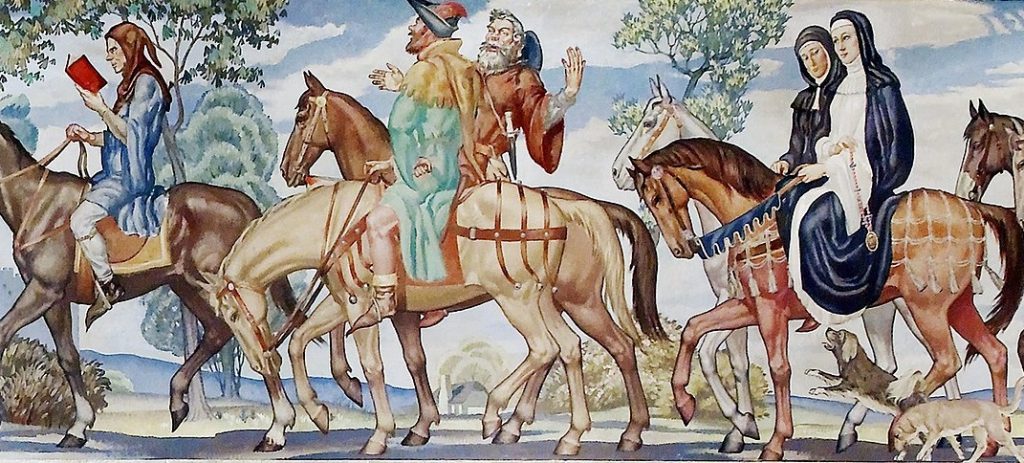
I wander up Bread Loaf mountain
The day before my Chaucer final
With my professor’s wife, an Anglican
Priest, and their 7 year old son, Luke.
I am not a hiker, but I need to think
About something other than Chaucer
So when she asked us all to go along
I thankfully said yes. No one else did.
I am not a hiker. I am an introvert.
I plod along, thinking, not talking.
Luke asks question after question.
His mom answers each patiently.
She says I’m quite taciturn.
I don’t know its meaning
So I say nothing and continue
Trudging up the mountain.
Luke asks me how I keep going.
I say I think of something else.
She asks what I’m thinking about.
Boethius, I say and take another step.
I need to read it again before tomorrow.
It is short enough to be read overnight,
Unlike anything we read for class-
Which was all of Chaucer’s works.
She offers me a bottle of water;
I naively did not bring my own.
I am not a hiker. I have a headache,
But nothing like Boethius.
We make it to the top, somehow.
The view is stunning and vast.
After eating a sandwich, Luke
Runs about, eager to start down.
The next day, I write for three hours,
Comparing parts of Boethius
To corresponding sections
Of Troilus and Cressida.
Stunned I finish, somehow
With nothing left to say:
I am not a hiker. I know
What taciturn means now.
I took a chance on Boethius
And found consolation.
I am not a hiker—
So ends my tale.
(August 2, 2026)

details, like mosaics, decades old
around eleven, the adrenaline slow
fall from my red Christmas bike,
ripping skin on loose gravel,
catching the pain across my palms
facts of a sort
followed by conjecture
the sky was winter grey—
I was heading home (from where)
hurriedly (was I late, for what
or just the thrill of speed
or both— fear and joy dancing
together like flames)
perhaps, perhaps
what-ifs’ multitudes unravel
with time and causal doubts
as perhaps twist and spin into now’s
singular, tight, and irretrievable knot
I tell myself I know and knew
the bits of broken glass cohere
but I don’t anymore than I did
I fell, I bled, I must
have made it home
for I am here
(July 20, 2026)
circa 1979
The night is close
to the day. My head’s
thick with whiskey
and bitter ideas.
My hands ache. I find
it hard to speak
at length without
losing words, or how
to say them. So, I wait
and listen to the silence
for the words to stop
their emotional slither,
and allow me to go
home, alone again.
(July 16, 2026)

Your hands dance the air
as you sit across the table
describing an event we shared
decades ago in our youth.
We are both there as before;
a sequence of events similar
enough to be the same events;
yet, causality and context shift.
Like Wittgenstein, it dawns
on me slowly that the story
you are telling is not the one
I have told about love’s loss.
You ask why I’m crying;
I realize you never knew.
(July 15, 2026)
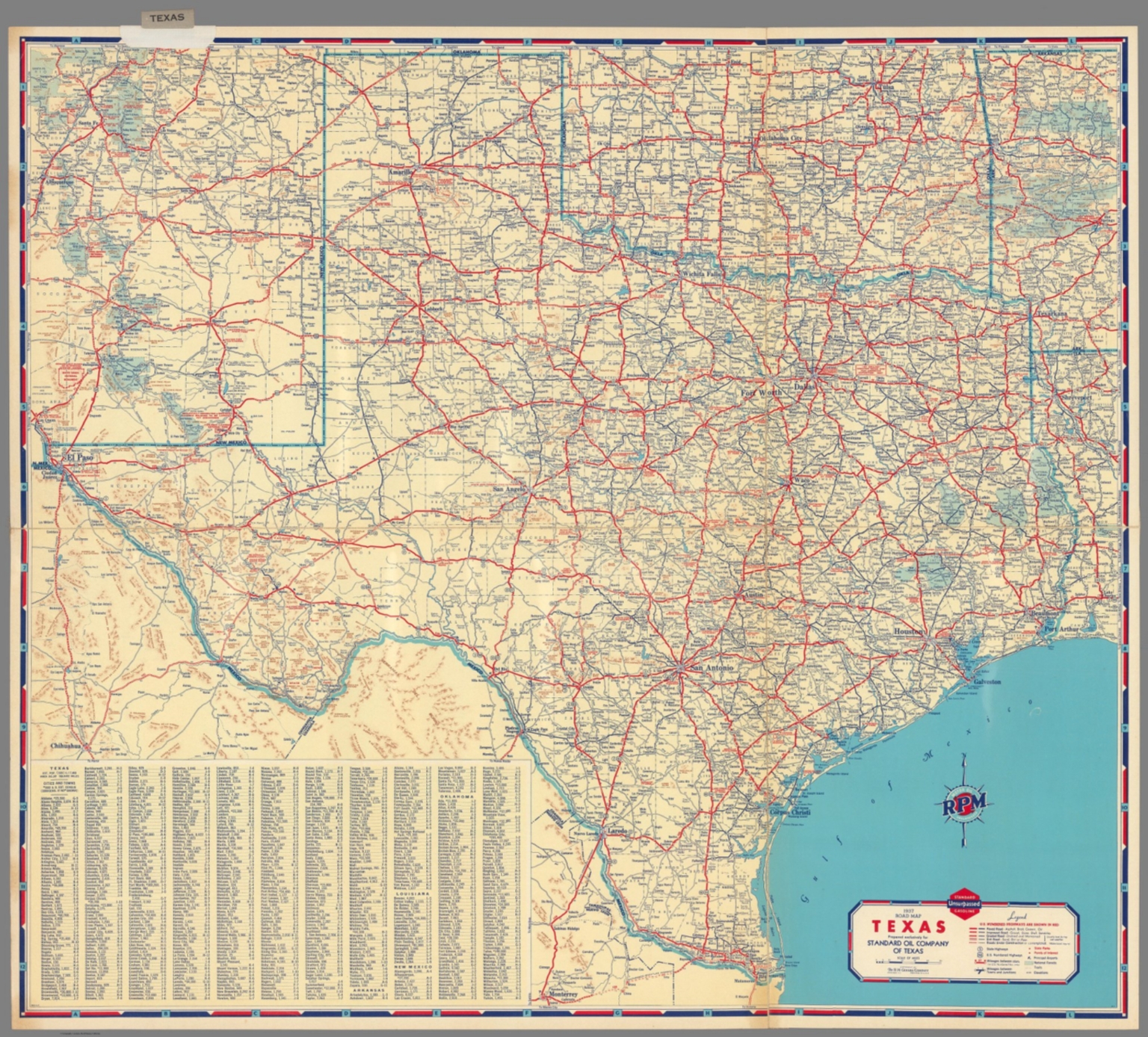
As a child, I studied old paper maps;
the folded, stained, and torn gas station maps
Dad used to follow the back country roads
into the Texas oil fields to find work.
I’d trace my fingers down the thin lines
leading away from where I was living
through the small black dots signifying towns
and larger amorphous yellow cities.
I read books with imaginary maps
full of dark rivers, and magic mountains
where characters stepped lightly from legend
and wandered with clear purpose and meaning.
While at home, I’d find my place on maps,
and make a way toward any where else.
(July 14, 2026)
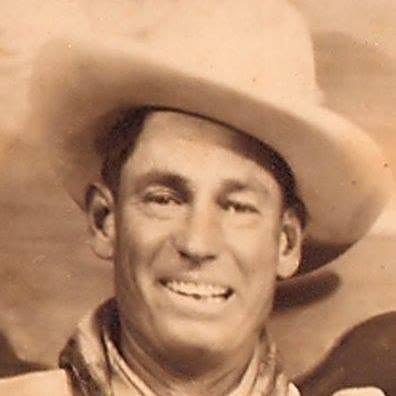
I did not know him
as the child I was
anymore than the man
I have become—
He was a shadow
sifted in story
his deep voice laced
with decades of smoke
before dying
into mom’s revisions
I still don’t know
what I was afraid of
(Father’s Day: June 21, 2026)
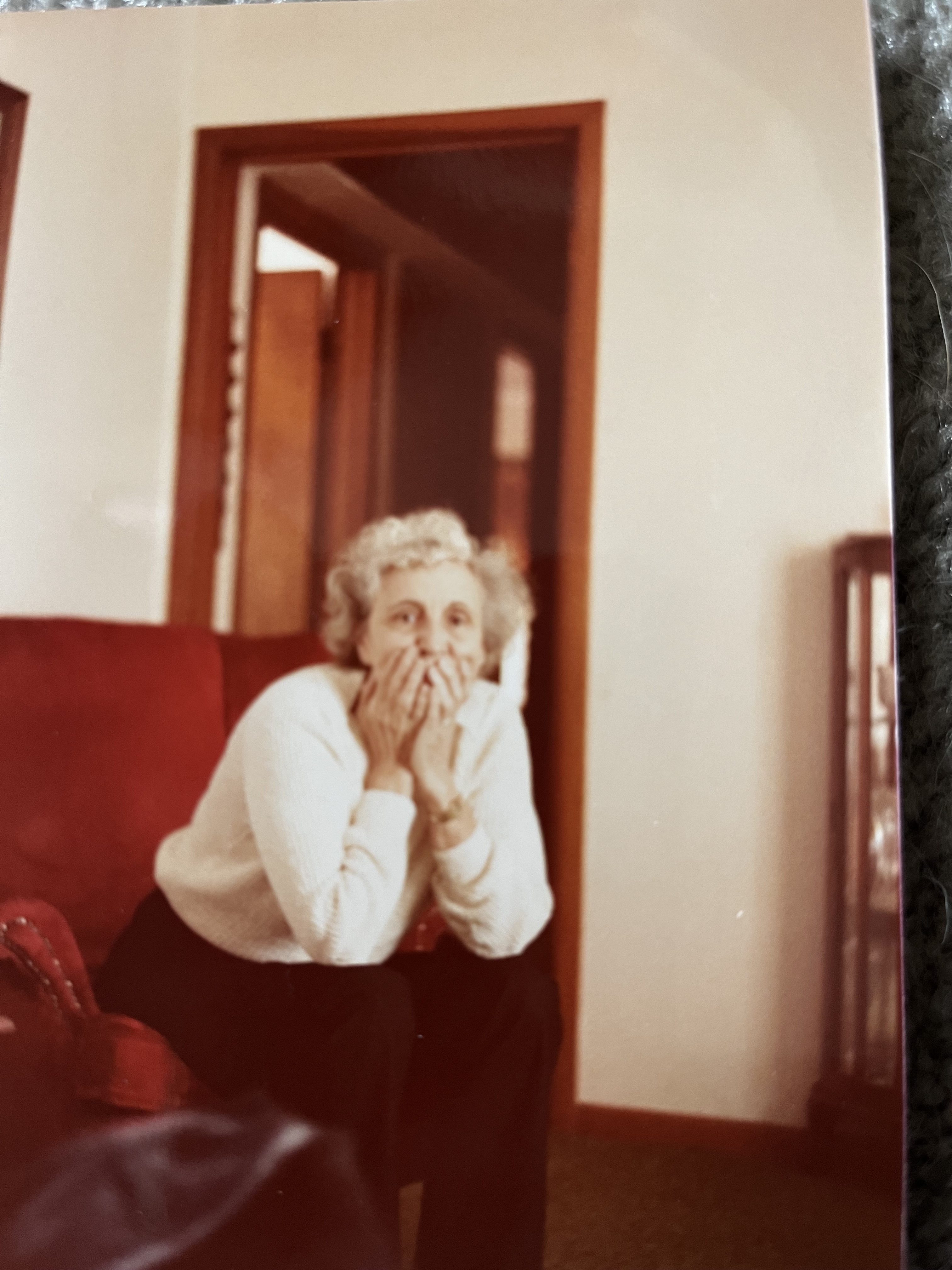
There’s a snapshot of my mom
when I was twenty-four
which would put her at sixty-six,
my current age. She looks tired,
worried. She holds her face as if
deeply troubled, or grieving.
I was about to go to Europe—
my first time outside of Texas.
When I was a child, she would read
book after book after book to us:
Little Golden Books: Pokey Little Puppy,
The Little Tug Boat and others.
They all had one common theme:
There’s no place like home, no place but home.
(June 8, 2026)

This evening the old ghosts have returned.
They inhabit the edges of my vision
whispering their tired secrets to the past.
Like scions of privilege hang in cafes
deconstructing last night’s party gossip,
The ghosts wail their sad regrets-she never said,
nor he listened- Even in death they cling
to their moral shortfalls like life jackets.
If there’s a hell, here is where it festers:
the exhumation, through exegesis,
of dead variations left to decay
like tattered banners along the ramparts
pretend the siege was easily broken
and the dull ashen smoke never smoldered.
(May 25, 2026)
A few days ago, I heard Stand by R.E.M. It came out in 1988. It gave me a center-point to hold on to in a stupidly difficult year.
In 1988, Beeville ISD hired me to teach 7th grade English at Thomas Jefferson Junior High School. They had recently changed the mascot from the Devils to the Jets because of the “satanic” overtones of the Devils. It was my first teaching job. I had been unable to find an English position in the Austin area, despite multiple interviews. I figure now that I was a crappy interviewer due to my tendency to mumble, talk fast when nervous, over-intellectualize simple questions and to look everywhere but at the person asking the questions. Or maybe something completely different: I didn’t know then which was all that mattered. Beeville needed an English teacher and I got hired. We moved to Beeville, Texas and I had my first classroom. It was a mistake from the start. Within the first few weeks, I had lost control, even if I had not realized it yet then. Although I figured it out pretty fast, but by the time I did it was too late. The seventh graders ate me alive. For the rest of the year I felt completely lost and unbalanced. It was sad. REM’s Stand (as well as David Wagoneer’s poem Lost, which I had taped to my desk) helped by reminding me to think about where I was amidst the chaos of my life that year. We moved back to Austin at the end of the school year.
This post has its origins in a “prompt” from a friend who asked that we write to memories elicited by various songs.
I’m bored
as I write
this poem—
Not too much here
that is not mine
to ruminate:
the mistakes,
and broken desires
left behind
in memory
clot the way
with the pretense
of fate. Only fate
is just the past:
I’m here reading
what I write,
because I’m here,
not somewhere else
reading something
else I wrote today.
Somedays are destined
to be something else
which could have
happened somehow
on a warm afternoon
after a yawn or two,
but then didn’t.
(April 2, 2026)

