After picking herbs,
She muddles the mint
or basil depending
on what’s to follow.
She bruises the leaves
like an abusive lover
into an intimacy
he can swallow.
After all,
what is allowed
is tolerated—
no matter
the consequence,
of some god’s rage.

After picking herbs,
She muddles the mint
or basil depending
on what’s to follow.
She bruises the leaves
like an abusive lover
into an intimacy
he can swallow.
After all,
what is allowed
is tolerated—
no matter
the consequence,
of some god’s rage.

my resistances arise
through the day
in the way
I see
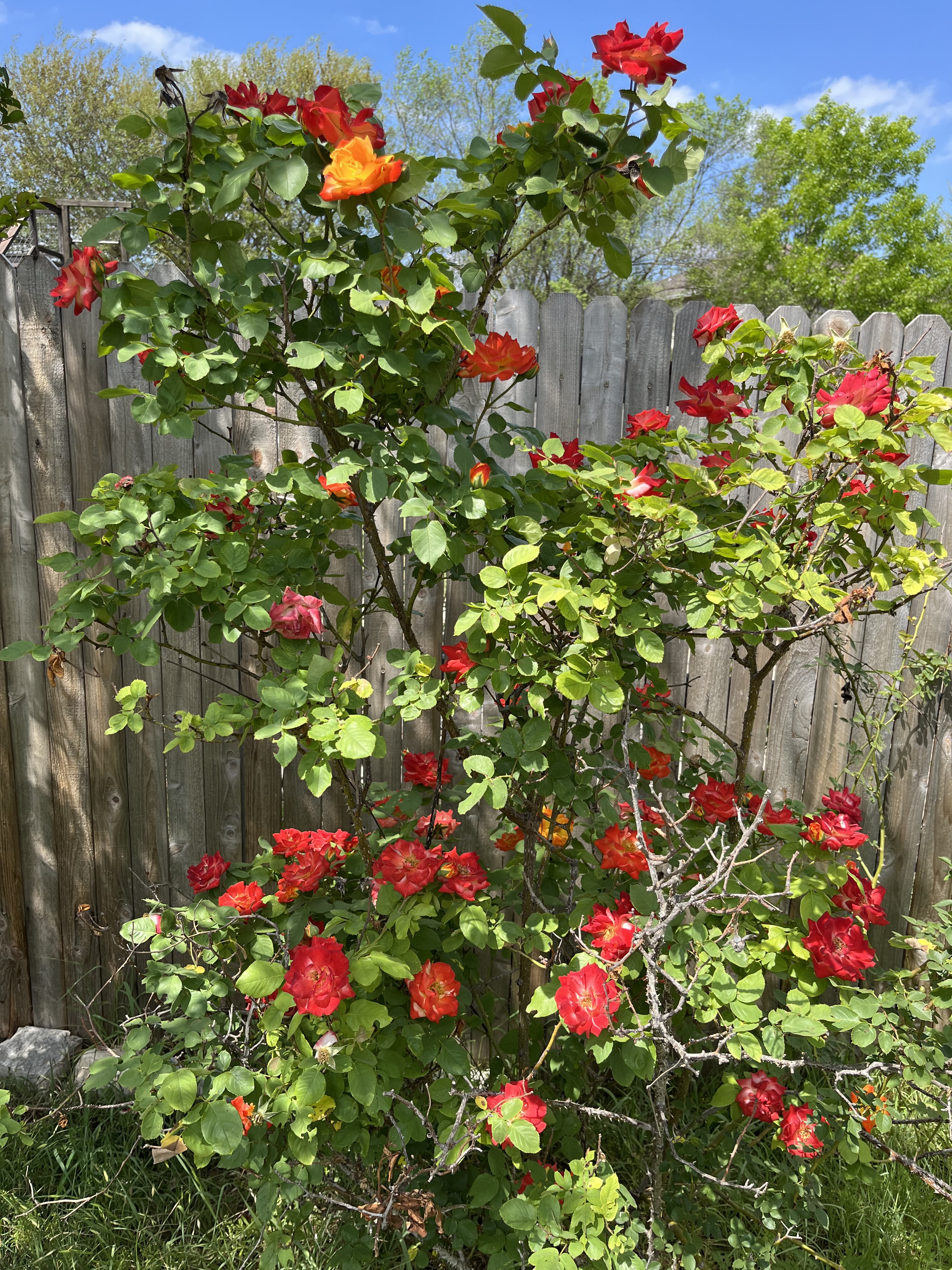
the trees leaf
the roses bud
and bloom only
to let go
their petals
to the ground
and here
as well as there
in the streets
filled with anger
is a beauty
and a love
which must be held
with all our arms
and named
with all our voices
no matter how small
or fleeting
we feel our hearts
to be
no matter the terror
slithering nearby
laugh as well
as mourn
sing as well
as scream
see more
than is allowed
see what we were
see what we are
and see what
we can become
(April 29, 2026)

a turn away
from pursuit
from a life
from himself
an escape
from others
from definition
from self-immolation
a denial
of projection
of supposition
of expectation
a purge
of arrogance
of shame
of the soul’s anger
a belief
in the present
in hope
in simplicity
a meaning
in the chaos
in the day
in himself
a direction
toward difference
toward laughter
toward each other
a movement
toward trust
toward friends
toward love
(December 9, 2025)

I suppose I should
be grateful for all
the people and events
of which and of whom
I am usually unaware
who are daily doing
deeds without awareness
of me yet enable me
to go about my life
oblivious and happy
(November 24, 2025)

“You should understand
the way it was
back then,
because it is the same
even now.”
from Storyteller by Leslie Marmon Silko
Today I finished (for RFB) Storyteller by Leslie Marmon Silko. It reminded me of Way to Rainy Mountain by N. Scott Momaday in the way it blended personal narratives, with native-American stories, and history. The three aspects being, in reality, inseparable. In the case of Storyteller, the stories, poetry, photographs orbit around each other to create the idea of “story” as what defines us in our lives: the past, present, mythic all combine to create the culture we live in as well as the individual person who lives inside of the culture. It is a fairly subtle nuanced book. Silko does not spell it all out in the way Thomas King does in “The Truth About Stories,” a book I finished a few weeks ago. King also blends personal narrative, with myth, and history. Instead, Silko, lays out the parts of her collection in a type of collage, where the various parts generate a collective power creating a larger whole from the smaller parts.
Here are just some lines I underlined as I read:
“But sometimes what we call “memory” and what we call “imagination” are not so easily distinguished.”
“The story was the important thing and little changes here and there were really part of the story. There were even stories about the different versions of stories and how they imagined these differing versions came to be.”
“We were all laughing now, and we felt good saying things like this. “Anybody can act violently—-there is nothing to it; but not every person is able to destroy his enemy with words.”
“even silence was alive in his stories”
“the memory
spilling out
into the world”
“So they pause and from their distance
outside of time
They wait.”
“laugh if you want to
but as I tell the story
it will begin to happen.”

“We are all in the gutter, but some of us are looking at the stars.”
—Oscar Wilde
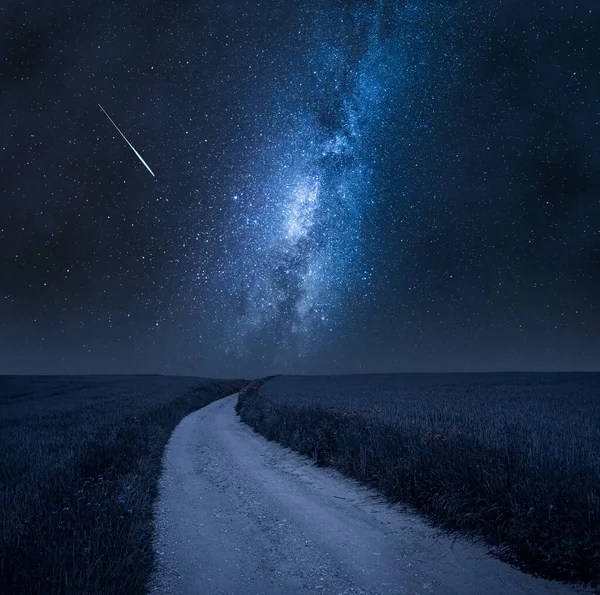
Late at night, beneath a new moon, after too much cheap vodka and pot, a group of us, friends for most of our lives, gathered out on Tipton Road, a one lane gravel road running between two farms a few miles outside of town. The closest light glowed dimly from a farm house a mile or so in the distance. Infrequently faces were illuminated briefly like angels in old paintings as someone lit a cigarette or another joint only to disappear quickly back into the dark. We talked quietly about impending graduation, going off to college, or jobs, or the military; our parents, our girlfriends, knowing we were all losing touch as we spoke.
As we headed back to the cars, someone said, “Where’s Jackie?” He had wandered off on his own without anyone noticing. We all started calling for him in the dark. No response. We called again, then again: no response. Then faintly from a ditch next to a corn field down the road, we heard him giggle to himself, then shout out, “The stars— Man— look at the stars— look up— the stars are so close.” As one, we all looked up. The stars were brilliant and beatific, as for that moment were we.
We pulled Jackie out of the ditch, staggered to the cars, then finally back into the dark to find our separate ways home.
(March 29, 2024)

When lost it’s best
to stop and ask
where you are—
but no one knows
beyond our places,
our beliefs.
Even so, we arrive;
our mouths filled
with fresh-turned earth.
Mostly people
we know attend,
chatting quietly.
Then a few more leave,
while others do not.
(February 8, 2024)

People mill about
with purpose.
The talk is white, sterile
like casual chatter
at a distance,
yet nearby.
One can discern words,
disconnected from sentences,
like free radicals:
isolated,
but not pristine—
muddy with clarity.
The talk is incessant,
and full of darkness.
(October 17, 2023)
by

I am my horizon.
I cannot see beyond
the emptiness between
this center and the edge.
My bones ache;
my toes are numb.
I weigh my troubles
like raw meat,
balanced against friends’
couched complaints.
These mundane cliches
clot us together,
like blood seals
an angry wound.
(June 3, 2023)

I tell you my truth;
so does he, but his is a lie.
Each morning we both shit,
take a shower, drive to work.
The mundane slaps my face,
as if waking to a wet bed.
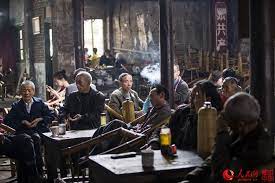
In the tea house’s simplicity
the same tales are told nightly.
(May 7, 2022)

The wild mustang grape vines
its way along the fence line,
further obscuring boundaries
between what is said,
and what is perpetuated.
The past is of no consequence
beyond familiar stories to bolster
today’s latest interpretation,
which momentarily coalesces
to cloak in ambiguity
the Absence as it festers
in vague nostalgic shadows.
(May 30, 2021)

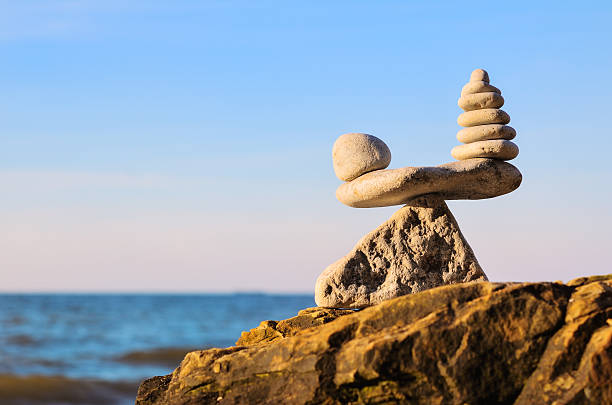
How do we maintain a balance
between apart and a part?
Lean too far one way, one lose’s
humanity, too far toward the other,
and one loses one’s soul.
I am I, as you are you;
yet, I am also you, as you are me,
as well. There is no other way,
other than each other. The hope
of god’s redemption lies with us.
(May 30, 2021)