-
The Failure of Literature
by
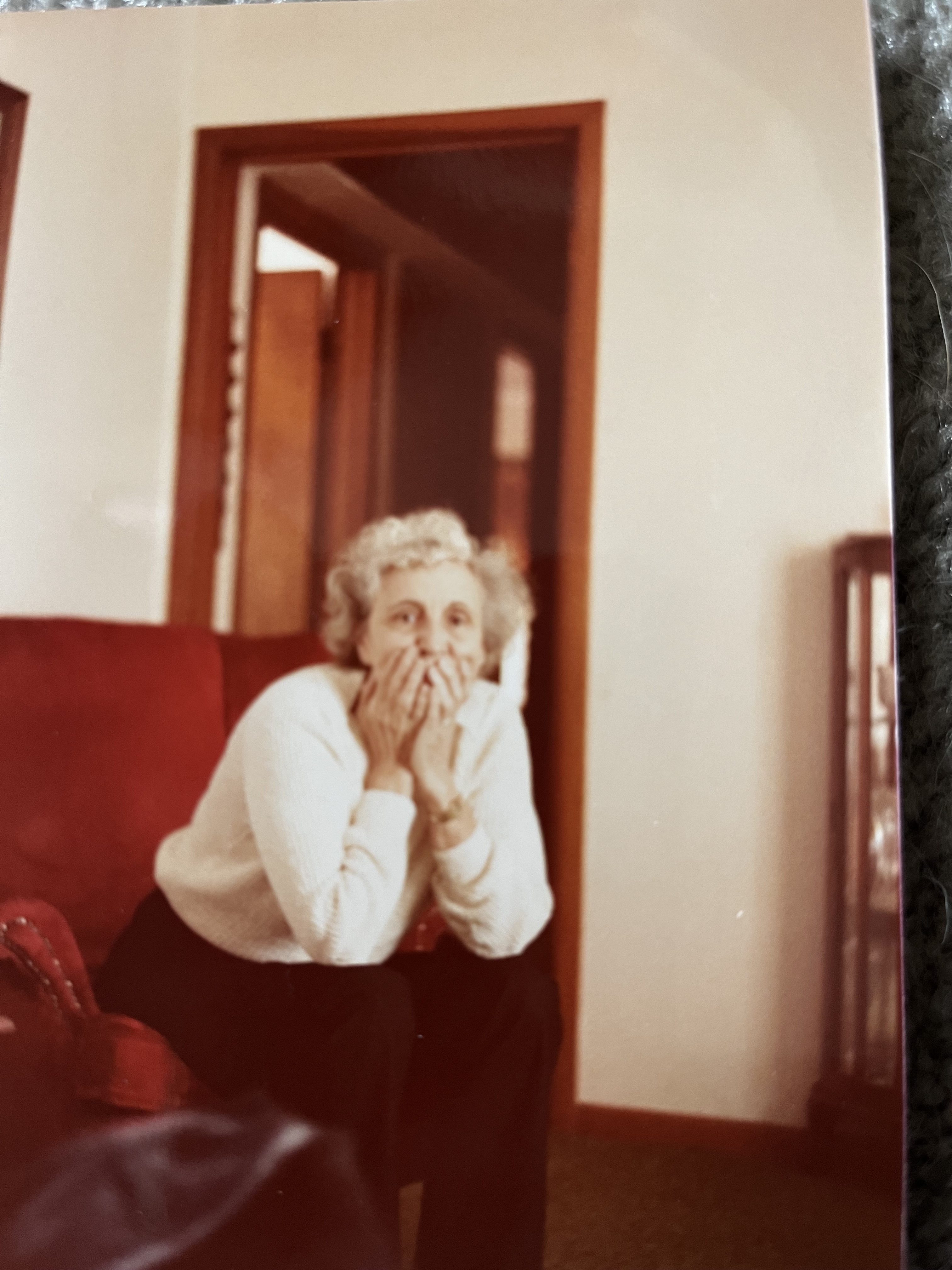
There’s a snapshot of my mom
when I was twenty-four
which would put her at sixty-six,
my current age. She looks tired,
worried. She holds her face as if
deeply troubled, or grieving.
I was about to go to Europe—
my first time outside of Texas.
When I was a child, she would readbook after book after book to us:
Little Golden Books: Pokey Little Puppy,
The Little Tug Boat and others.
They all had one common theme:
There’s no place like home, no place but home.
(June 8, 2026)
-
-
Limits, Lies, Lives
by
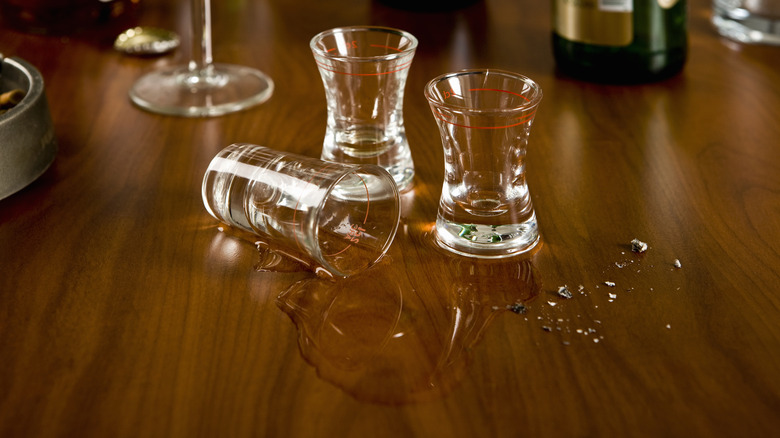
Of course, there’s a soul:
I take a shot of bourbon
as I pour the next—
(June 2, 2026)
-
Dust
by
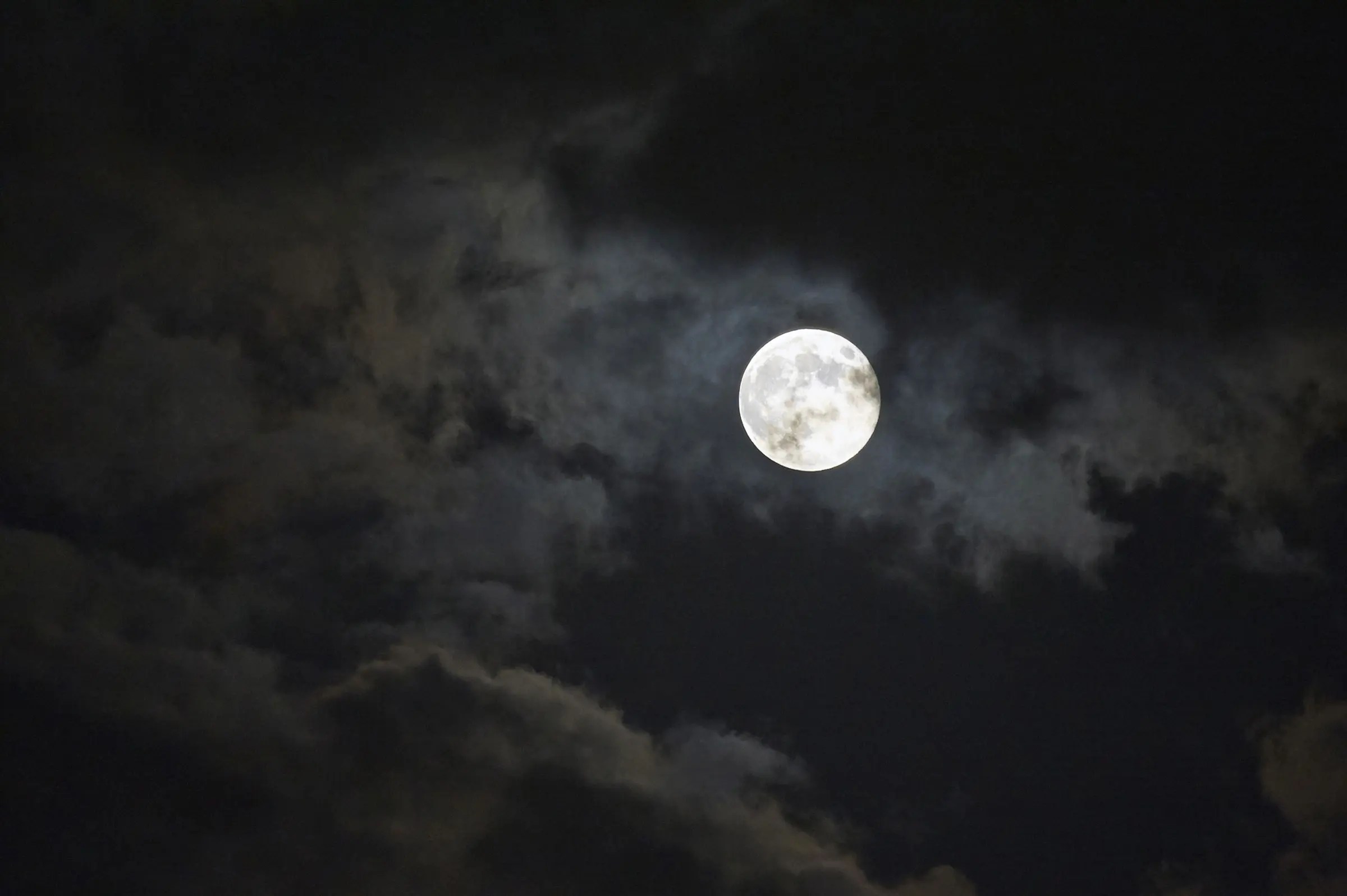
The night is broken in a multitude
of awakenings. The dogs are disturbed
by the full moon’s motion across the sky.
Between their futile barks, I lie awake.
As dawn approaches you pull me closer,
laying your head upon my chest. I sleep,
finally drifting to the edge of dreams
where the world is neither vast nor empty.
Lately I have been thinking about death.Not my own, nor anyone’s I know, but
Death— the absurdly inevitable
avalanche collapsing beneath our feet:
as if I can know more than what I am;
as if I am something other than dust.
(May 31, 2026)
-
by
-
Haunts
by

This evening the old ghosts have returned.
They inhabit the edges of my vision
whispering their tired secrets to the past.
Like scions of privilege hang in cafes
deconstructing last night’s party gossip,
The ghosts wail their sad regrets-she never said,
nor he listened- Even in death they cling
to their moral shortfalls like life jackets.
If there’s a hell, here is where it festers:the exhumation, through exegesis,
of dead variations left to decay
like tattered banners along the ramparts
pretend the siege was easily broken
and the dull ashen smoke never smoldered.
(May 25, 2026)
-
Epoch Encounter
The afternoon sun glares down without ire
as I step out onto the front sidewalk.
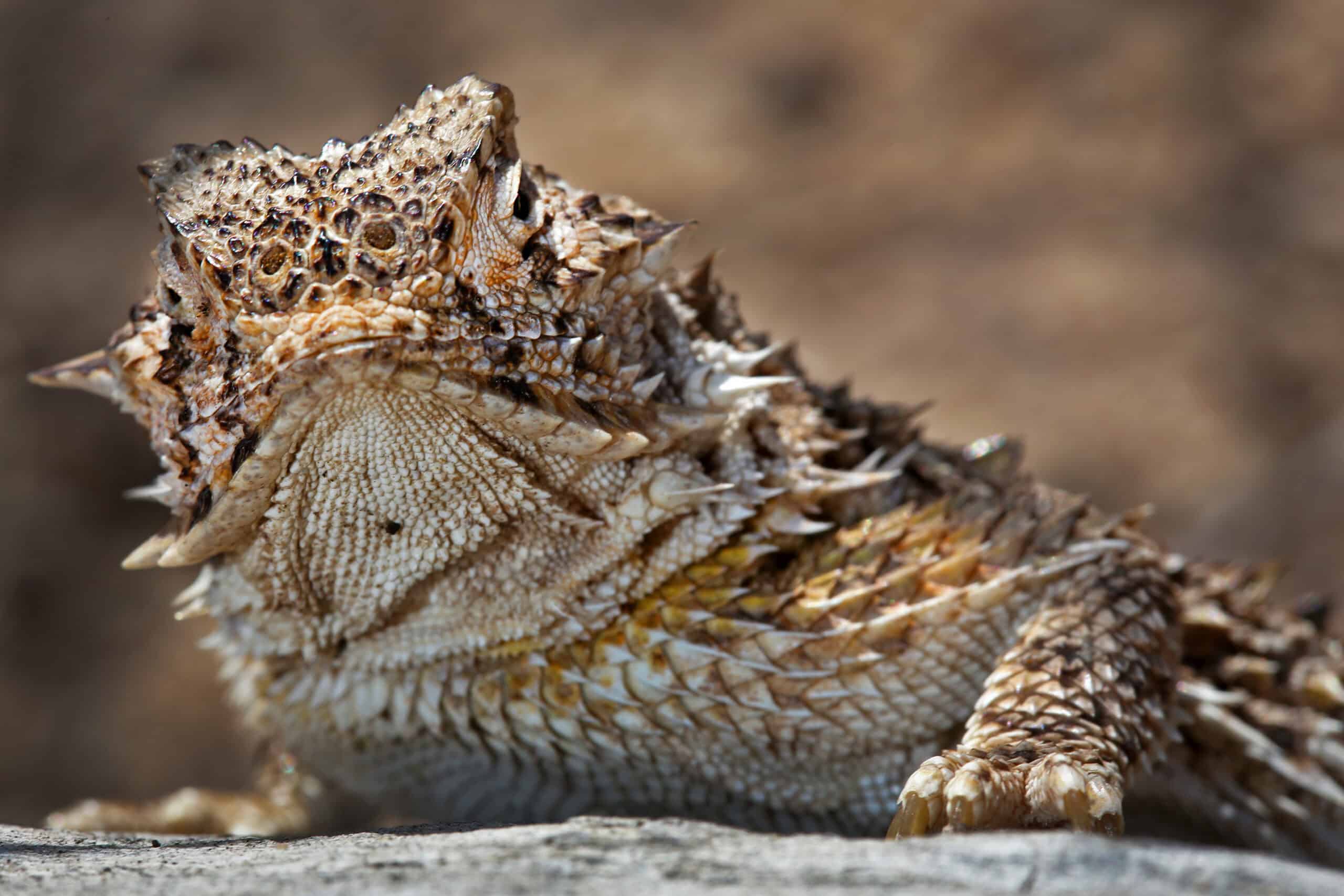
A horned lizard eyes me, suspiciously
tilts its head into the still of the day.
Aware without motion, I am no threat
where I am. It’s warm in the sun, why move?
This lumbering slow beast cannot compete.
It knows without knowing; we are killing
ourselves. Small, hot, warm-blooded, bound in fur,
we were no more than rats when its kind loomed
across the humid landscape. Choking on
our own waste, we will perish soon enough.
There’s no hurry. It turns back, looks at me
with disdain, then patiently darts away.
(May 24, 2026)

