Today I finished (for RFB) Storyteller by Leslie Marmon Silko. It reminded me of Way to Rainy Mountain by N. Scott Momaday in the way it blended personal narratives, with native-American stories, and history. The three aspects being, in reality, inseparable. In the case of Storyteller, the stories, poetry, photographs orbit around each other to create the idea of “story” as what defines us in our lives: the past, present, mythic all combine to create the culture we live in as well as the individual person who lives inside of the culture. It is a fairly subtle nuanced book. Silko does not spell it all out in the way Thomas King does in “The Truth About Stories,” a book I finished a few weeks ago. King also blends personal narrative, with myth, and history. Instead, Silko, lays out the parts of her collection in a type of collage, where the various parts generate a collective power creating a larger whole from the smaller parts.
Here are just some lines I underlined as I read:
“But sometimes what we call “memory” and what we call “imagination” are not so easily distinguished.”
“The story was the important thing and little changes here and there were really part of the story. There were even stories about the different versions of stories and how they imagined these differing versions came to be.”
“We were all laughing now, and we felt good saying things like this. “Anybody can act violently—-there is nothing to it; but not every person is able to destroy his enemy with words.”
“We are all in the gutter, but some of us are looking at the stars.”
—Oscar Wilde
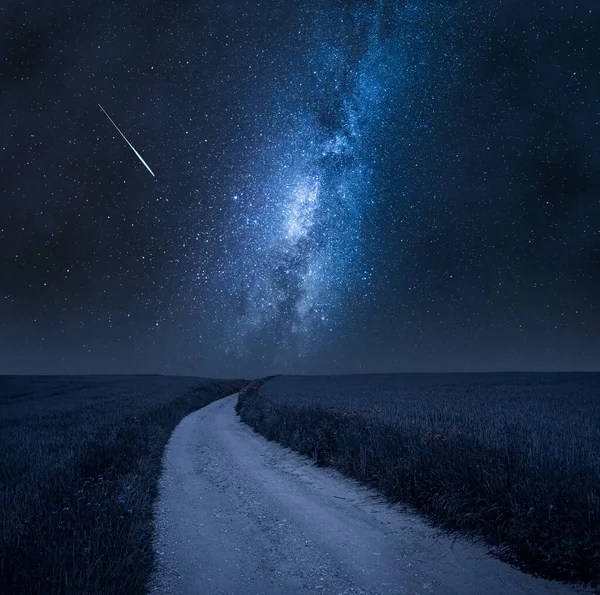
Late at night, beneath a new moon, after too much cheap vodka and pot, a group of us, friends for most of our lives, gathered out on Tipton Road, a one lane gravel road running between two farms a few miles outside of town. The closest light glowed dimly from a farm house a mile or so in the distance. Infrequently faces were illuminated briefly like angels in old paintings as someone lit a cigarette or another joint only to disappear quickly back into the dark. We talked quietly about impending graduation, going off to college, or jobs, or the military; our parents, our girlfriends, knowing we were all losing touch as we spoke.
As we headed back to the cars, someone said, “Where’s Jackie?” He had wandered off on his own without anyone noticing. We all started calling for him in the dark. No response. We called again, then again: no response. Then faintly from a ditch next to a corn field down the road, we heard him giggle to himself, then shout out, “The stars— Man— look at the stars— look up— the stars are so close.” As one, we all looked up. The stars were brilliant and beatific, as for that moment were we.
We pulled Jackie out of the ditch, staggered to the cars, then finally back into the dark to find our separate ways home.







 subtext