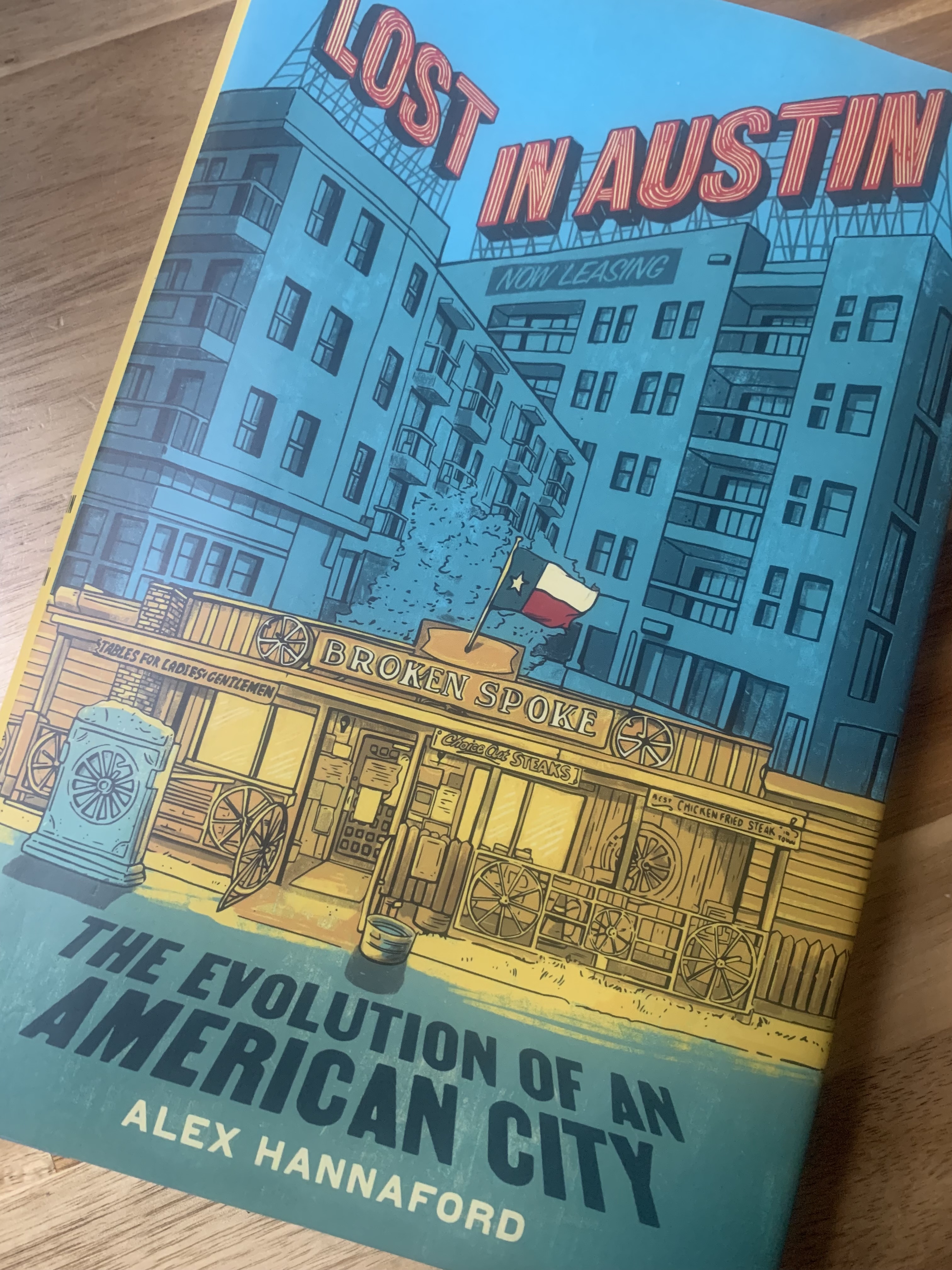
I finished Lost in Austin by Alex Hannaford in a couple of days. It disaggregates the changes in Austin for the worse over the last 25 years (for the most part, with some historical background going back into the 1980’s). My experience of living in the Austin area since 1978 confirms all of what he says in the book. Austin has become too expensive to live in: median income versus median housing costs do not match up. Living in a semi-arid region which is quickly becoming flat out arid due to climate change causes the city to not be “fun” to live in. The increasing descent into right-wing political madness makes the social/political climate unbearable to those attracted to the laid back attitude of Austin. While I agree with most of what Hannaford details in the book about the changes in Austin, I can’t help but think about the old light bulb joke: How many Austinites does it take to change a light bulb? Three. One to change the light bulb, and two to talk about how much better the old light bulb was. Austin has always been different to each succeeding wave of people who move here. The book is a fast read, Hannaford keeps things moving. His mixture of personal reflection of “his Austin” with historical facts (most of which I remember as they occurred) make it an enjoyable and informative book. The sad part is that, like him, it makes me want to finally give up on “my Austin” and move.
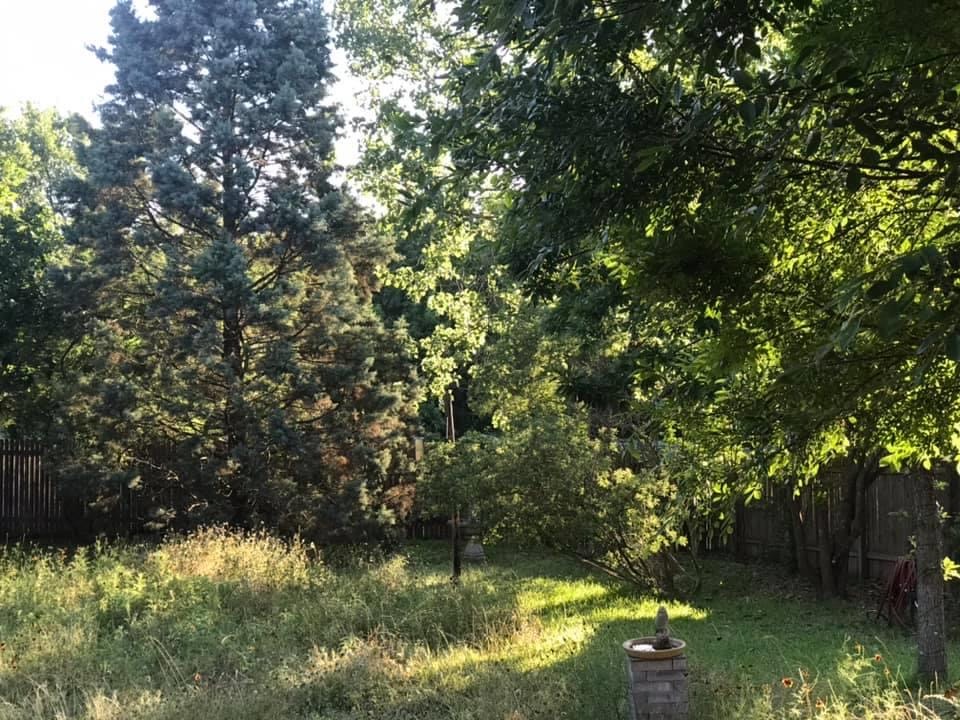
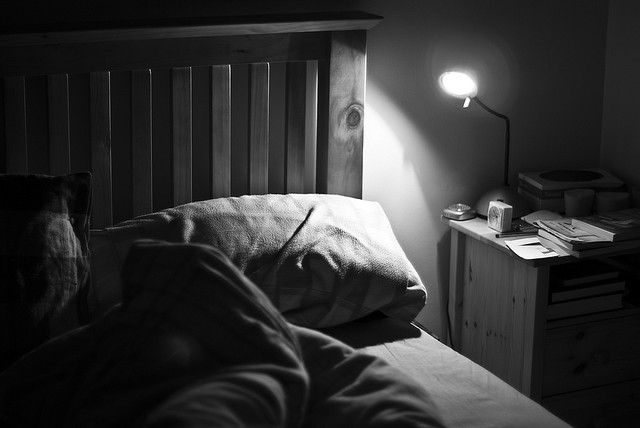
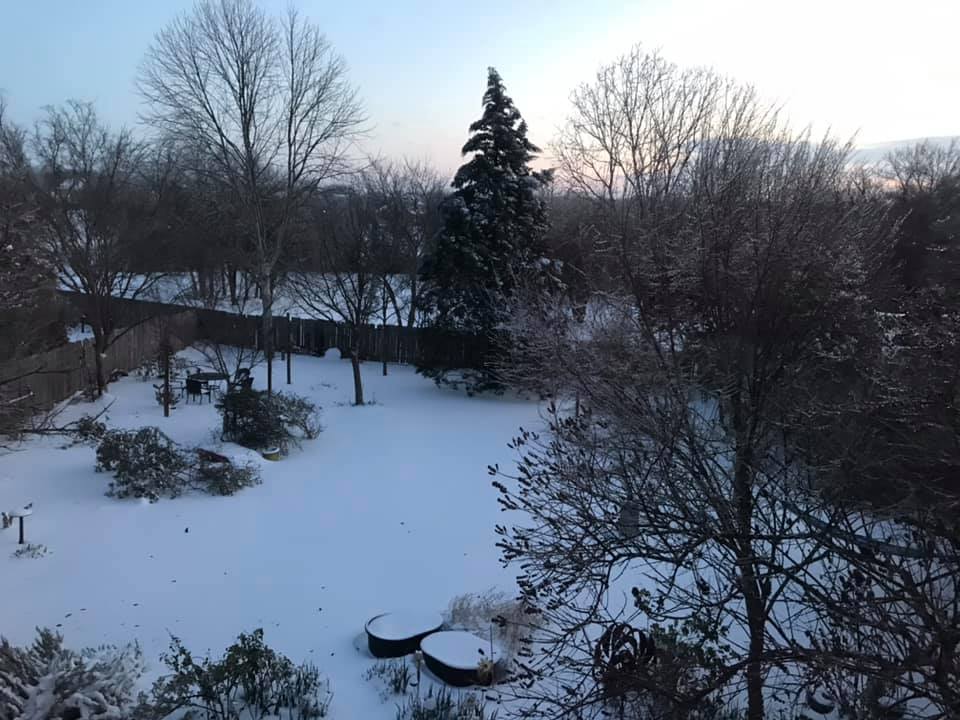
As if leading a ritual, the dogs wake me from dream. Their wet noses snuffle in my ear, scenting for traces of consciousness. I slowly collect myself, then escape down the stairs alone. Their task complete, the dogs curl into the warm shapes I leave behind in the tangled sheets. I’m cold, so I wrap myself in one of the brightly colored Mexican blankets Lisa bought more than twenty years ago along the border. Behind me on the counter, the coffee pot begins to gurgle and spurt. I watch through the sliding glass door as the leaves fall from the cottonwood and sycamore out back. Chasing squirrels most of the day, the dogs have worn two paths through the grass, each ending in the same place on the far side of the cypress at the bottom of the yard. These paths breathe cliche, no less so because mundane. The squirrels, out early, leap from tree to tree, dropping to the ground unmolested to collect acorns they buried, somehow remembering where they are months after the fact.
“We are all in the gutter, but some of us are looking at the stars.”
—Oscar Wilde
Late at night, beneath a new moon, after too much cheap vodka and pot, a group of us, friends for most of our lives, gathered out on Tipton Road, a one lane gravel road running between two farms a few miles outside of town. The closest light glowed dimly from a farm house a mile or so in the distance. Infrequently faces were illuminated briefly like angels in old paintings as someone lit a cigarette or another joint only to disappear quickly back into the dark. We talked quietly about impending graduation, going off to college, or jobs, or the military; our parents, our girlfriends, knowing we were all losing touch as we spoke.
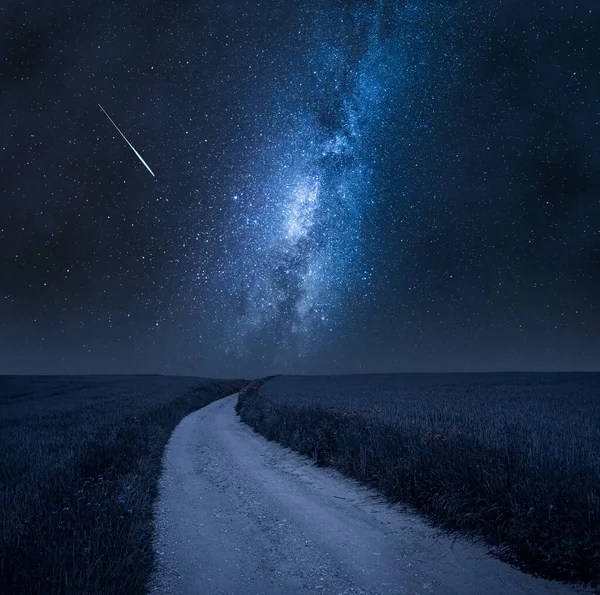
As we headed back to the cars, someone said, “Where’s Jackie?” He had wandered off on his own without anyone noticing. We all started calling for him in the dark. No response. We called again, then again: no response. Then faintly from a ditch next to a corn field down the road, we heard him giggle to himself, then shout out, “The stars— Man— look at the stars— look up— the stars are so close.” As one, we all looked up. The stars were brilliant and beatific, as for that moment were we.
We pulled Jackie out of the ditch, staggered to the cars, then finally back into the dark to find our separate ways home.
Several weeks ago something made me think about rereading Tristan Tzara’s “Approximate Man.” I searched every bookcase in the house multiple times( yes, I am obsessive). I couldn’t find it. I knew I had not loaned it out… I mean who do I know that would want to read it? Then yesterday, from across the room, I spotted it on the shelf in plain sight. I figure a ghost, or old age.





 subtext