Category: love
-

fear is always present
like air or dust
caught in the throat
seconds before a cough
I’ve said this beforeit is worth repeating
if nothing matters
everything matters
so find what you loveand who you love
and hold that moment
tighter than ice
until it’s eternaluntil it’s present
(August 18, 2026)
-
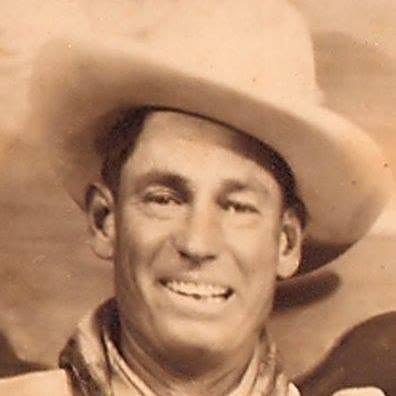
I did not know him
as the child I was
anymore than the manI have become—
He was a shadowsifted in story
his deep voice lacedwith decades of smoke
before dyinginto mom’s revisions
I still don’t knowwhat I was afraid of
(Father’s Day: June 21, 2026)
-
After picking herbs,
She muddles the mint
or basil depending
on what’s to follow.
She bruises the leaves
like an abusive lover
into an intimacy
he can swallow.
After all,
what is allowed
is tolerated—
no matter
the consequence,
of some god’s rage.
-
my resistances arise
through the day
in the wayI see
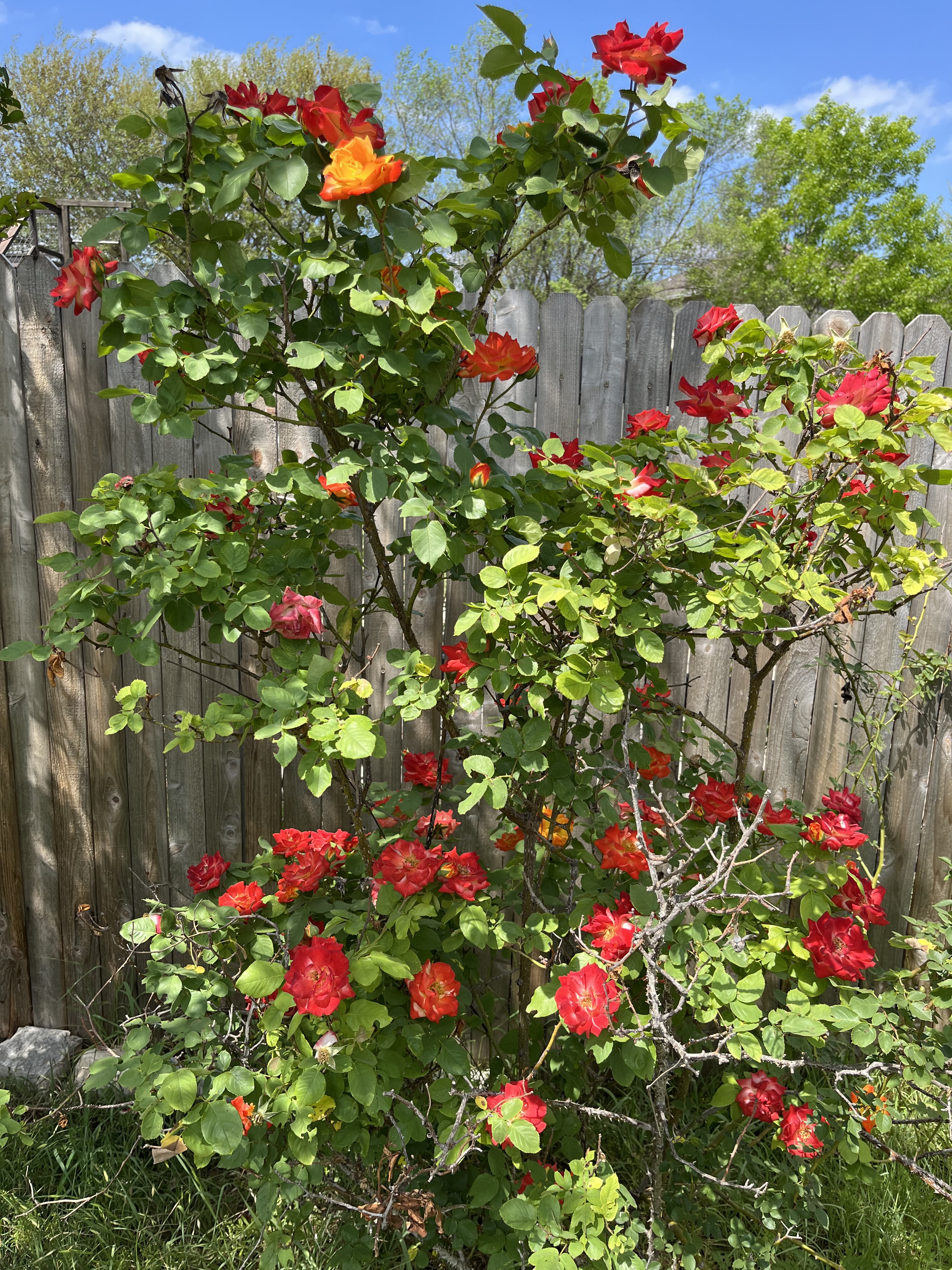
the trees leafthe roses bud
and bloom onlyto let go
their petalsto the ground
and hereas well as there
in the streetsfilled with anger
is a beautyand a love
which must be heldwith all our arms
and namedwith all our voices
no matter how smallor fleeting
we feel our heartsto be
no matter the terrorslithering nearby
laugh as wellas mourn
sing as wellas scream
see morethan is allowed
see what we weresee what we are
and see whatwe can become
(April 29, 2026)
-
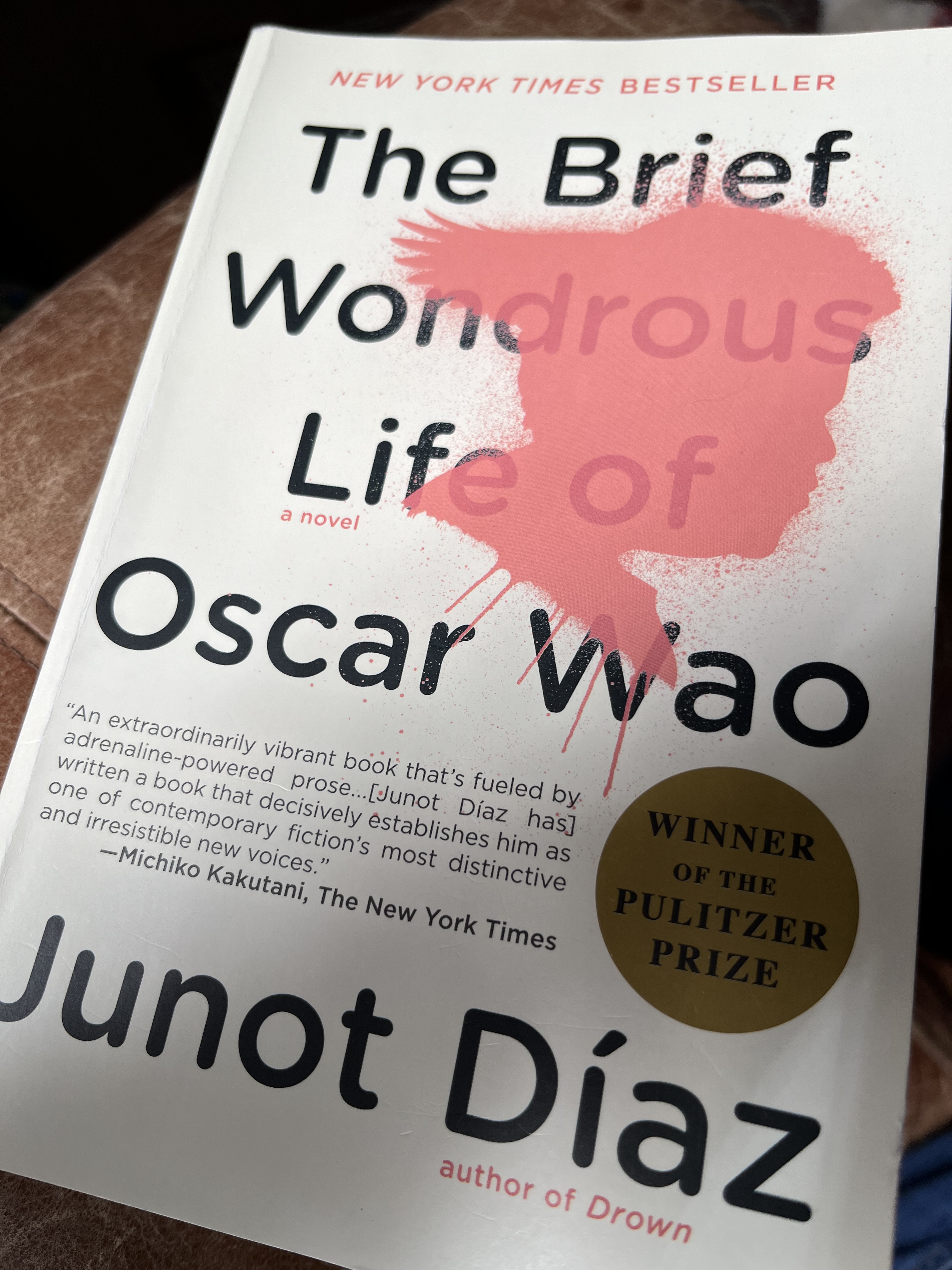
I finished The Brief Wondrous Life of Oscar Wao by Junot Díaz, the RFB book for February, just now. By the end I liked it better than I did while I was reading it. In other words, Diaz brought it to a close masterfully. It is a sweeping family drama story on a simple level. But more so how history-in-person, history-in-place, and how the stories you hear from your family’s history form a large part of your destiny, identity and “fuku” (curse, I believe). Ultimately it is a story of love, albeit a tragic story of love. A line from near the end of the book: “ She was the kind of girlfriend God gives you young, so you’ll know loss the rest of your life.” A line from the narrator, which I believe is the opposite of what was given to Oscar, which was more the kind of girl God gives you so that you will know the power of love to bring you happiness. Even if only for a brief wondrous moment of your life.
-
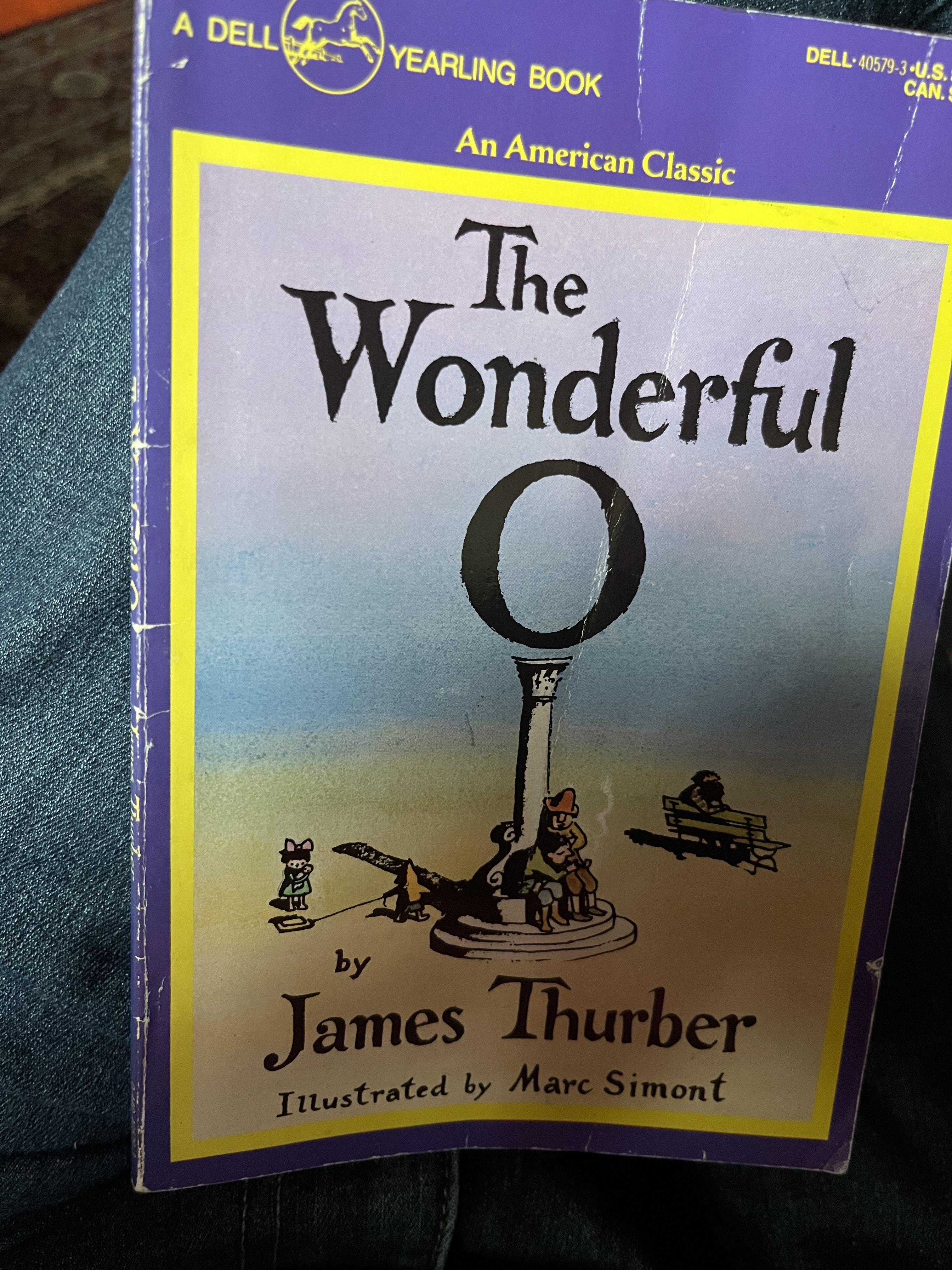
I finished The Wonderful O by James Thurber this afternoon. Thurber is so silly and delightful, while being deeply profound. The Wonderful O, like the other fables of Thurber is marketed as books for children, when they are far from sole audience. The Wonderful O is about two pirates who sail on the ship Aeiu, and hate the vowel O. They are searching for hidden treasure on the island of Ooroo. When they cannot find what they seek, they ban all words which contain the letter O. Cnfusin and Chas descend. The pirates become more and more oppressive with their hatred for O. The people resist, and eventually win out by holding on to four important words which contain O—Hope, Love, Valor, and what is seen as the most important word—Freedom.
It is obviously a fable for our own times although written 68 years ago.
-

Night continues to fall, dark upon dark,
unrelenting, cold as eternity.
Yet, tonight a half-moon hangs in the stars.
I try to ignore the fear on the wind,
but it eats its way in, splintering bone.
Ice, like a steel knife rusting at our throat,
parses words to an elemental degree.
What can be said contains but small nuance.
So I write pinching syllables like rice
to keep starvation one more day away,
hoping without hope that what I can say
is enough to carry hope through this dark,
that whatever bit of love which remains
is enough to hold our world together.
(October 3, 2025)
-

He didn’t know how to act, and had no script to follow. She knew her part without book, and said all her lines with ease. This was, she pointed out, not her first time in this role. It was, he thought, a true love story, not just another chance for her to reprise a stock character. Repeatedly, she set the scene, hitting her mark, an easy cue to follow. Scene after scene, he vaguely wandered the stage, wishing he knew what to say; wishing he knew what to do; unable to act on his desires. She was confused. What was his motivation? Why wouldn’t he act? Why did he not respond correctly? Eventually, the farce ended as it began, without preamble, or resolution. Some one laughed in the wings, followed by a slow clap. Then, like a ghost, she left the stage, leaving him to ponder their performance alone, as the lights slowly faded past memory.
(September 5, 2025)
-

another poet sincerely warns us
that in such dark times as these
what with war starvation and hate
we must use our small voices
no matter how simple and off key
as instruments of dire witness
to resist death’s ubiquitous agents
for to do less would be complicit
yet surely we have surrenderedif peace beauty and love
are no longer words in our mouths
we have lost what we espouse
when their language becomes ours
our time is not indifferent to love
(June 12, 2025)
-

In that moment, she danced,
as in a snow globe:
the late afternoon sun dazzled
the air in raindrops
still slowly falling from the walk way
overhangs of the ornate railings
on the buildings in the French Quarter
near the St. Louis Cathedral
where the wet streets reflected
the now unrelenting blue sky.
(April 7, 2025)