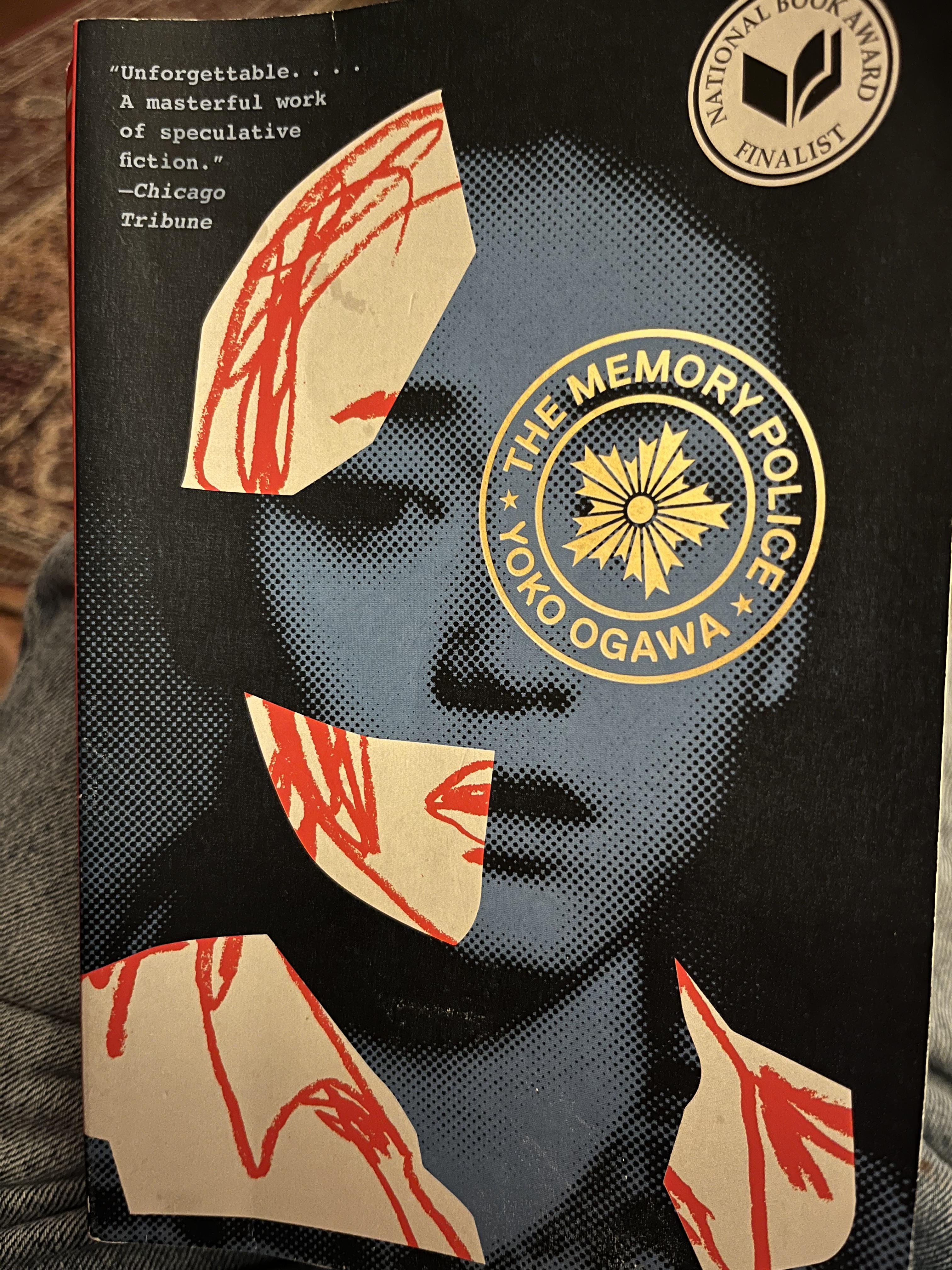
I finished the Memory Police last night, but couldn’t summon enough energy to write a response. It was curious. It was interesting. It was ART!! Were there great lines and thoughts? Yes. Did it make sense? Not at first glance, which this response is. The novel (as the blurb on the back states) takes place on an unknown island where objects keep disappearing. Disappearing completely, even from the memory of most of the people on the island. Those who can still remember are taken away to some unknown place, for some unknown fate by the Gestapo-like Memory Police. The last sentence of the blurb says “The Memory Police is a stunning novel about the trauma of loss.” I guess that is true, but only on one level. I would say it is more about the control of a community’s narrative; How history can be erased, and how we all just go along. How writing extends and saves individual memory for the next generations, who lose and save and create their own memories. How small seemingly unimportant objects can embody massive recollections.
Random Thoughts/Questions: None of the characters have names. There is a narrator, the novelist; the old man, who used to be the ferryman before the ferry disappeared, and R, who does not forget. The novelist is writing a novel, which sporadically we (the reader) get to read.Is the old man an allusion to Charon? Are the people who forget dead? The narrator is writing a novel, but loses her voice and can’t remember how to write. R, who used to proofread the narrator’s novels, keeps encouraging her to write, almost like editors who finish novelists books posthumously. Does “R” stand for reader? which is us, as we try to create meaning out of other’s incomplete memories?
Quotes:
“When I was a child, the whole place seemed… a lot fuller, a lot more real. But as things got thinner, more full of holes, our hearts got thinner, too, diluted somehow, I suppose that kept things in balance… And even when the balance begins to collapse, something remains.”
“I have the feeling my voice may come back one day if I study the letters imprinted on the used ribbon.”
“I’d imagine you’d be uncomfortable, with your heart full of so many forgotten things.”
“Memories don’t just pile up—- they also change over time. And sometimes they fade of their own accord.”
“Each one of us hides them away in secret. So, since out adversary is invisible, we are forced to use out intuition. It is extremely delicate work. In order to unmask these invisible secrets, to analyze and sort and dispose of them, we must work in secret, to protect ourselves.”
“Memories are a lot tougher than you might think. Just like the hearts that hold them”
“When you lost your voice, you lost the ability to make sense of yourself.”
Over the last week I re-read Roger Zelazny’s The First Chronicles of Amber: (Nine Princes in Amber, The Guns of Avalon, Sign of the Unicorn, The Hand of Oberon, and The Courts of Chaos). I first read this series in the mid to late 1970’s. I was in my mid-teens, when I pretty much only read Sci-Fi and Fantasy novels. I think the Amber series was probably my first real exposure to multiple reality, and the idea that we control and can change the reality we are born into. This time through I noticed ideas of ontological basis to reality versus epistemological understandings. Here is a bit from near the end: “Yes. You see, we are hatched and we drift on the surface of events. Sometimes, we feel that we actually influence things, and this gives rise to striving. This is a big mistake, because it creates desires and builds up a false ego when just being should be enough. That leads to more desires and more striving and there you are, trapped.” I don’t really remember any of this when I read it the first time 50 years ago. I am sure I absorbed it somehow, just not consciously. For the most part, I enjoyed it well enough this last week; I mean I obviously finished it again. On the whole it is still a fun fantasy novel filled with sword fights and family intrigue and back stabbing, accompanied by quick insertions of Platonism without being too pedantic about it all. There are another five books in the series; I will not seek them out.
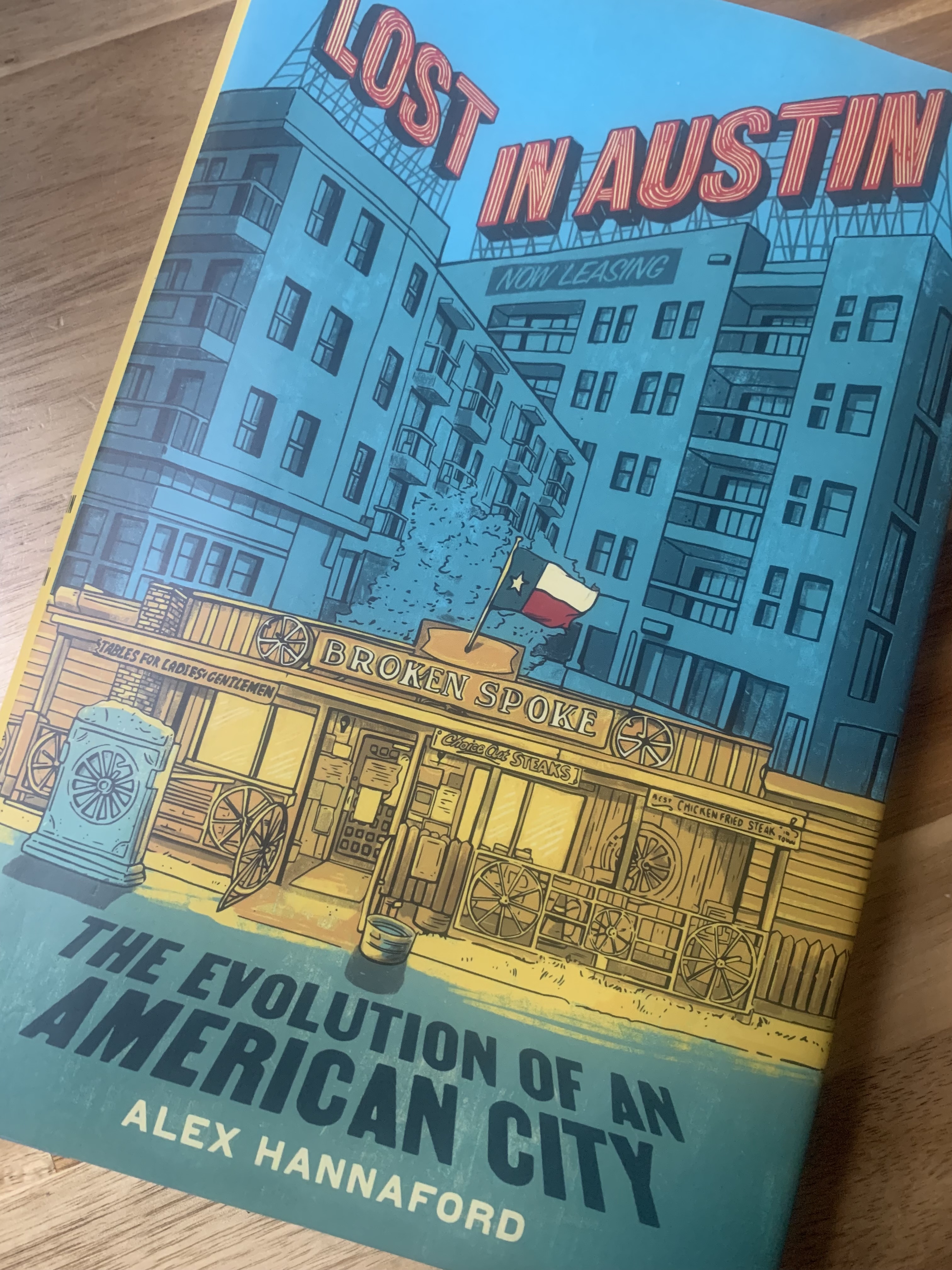
I finished Lost in Austin by Alex Hannaford in a couple of days. It disaggregates the changes in Austin for the worse over the last 25 years (for the most part, with some historical background going back into the 1980’s). My experience of living in the Austin area since 1978 confirms all of what he says in the book. Austin has become too expensive to live in: median income versus median housing costs do not match up. Living in a semi-arid region which is quickly becoming flat out arid due to climate change causes the city to not be “fun” to live in. The increasing descent into right-wing political madness makes the social/political climate unbearable to those attracted to the laid back attitude of Austin. While I agree with most of what Hannaford details in the book about the changes in Austin, I can’t help but think about the old light bulb joke: How many Austinites does it take to change a light bulb? Three. One to change the light bulb, and two to talk about how much better the old light bulb was. Austin has always been different to each succeeding wave of people who move here. The book is a fast read, Hannaford keeps things moving. His mixture of personal reflection of “his Austin” with historical facts (most of which I remember as they occurred) make it an enjoyable and informative book. The sad part is that, like him, it makes me want to finally give up on “my Austin” and move.
“We are all in the gutter, but some of us are looking at the stars.”
—Oscar Wilde
Late at night, beneath a new moon, after too much cheap vodka and pot, a group of us, friends for most of our lives, gathered out on Tipton Road, a one lane gravel road running between two farms a few miles outside of town. The closest light glowed dimly from a farm house a mile or so in the distance. Infrequently faces were illuminated briefly like angels in old paintings as someone lit a cigarette or another joint only to disappear quickly back into the dark. We talked quietly about impending graduation, going off to college, or jobs, or the military; our parents, our girlfriends, knowing we were all losing touch as we spoke.
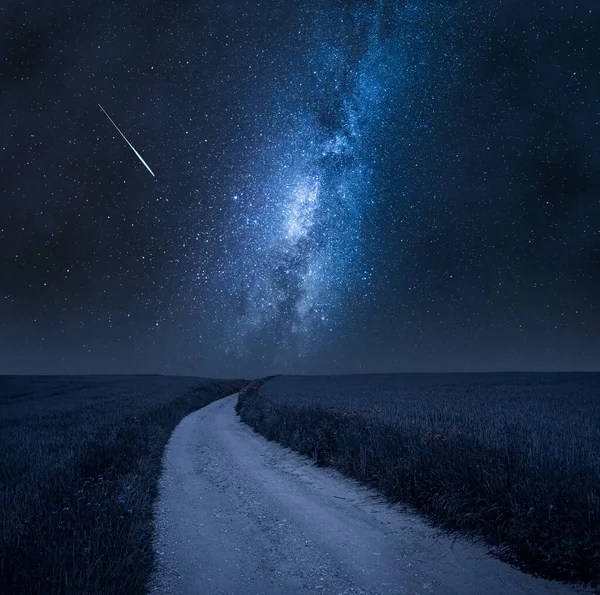
As we headed back to the cars, someone said, “Where’s Jackie?” He had wandered off on his own without anyone noticing. We all started calling for him in the dark. No response. We called again, then again: no response. Then faintly from a ditch next to a corn field down the road, we heard him giggle to himself, then shout out, “The stars— Man— look at the stars— look up— the stars are so close.” As one, we all looked up. The stars were brilliant and beatific, as for that moment were we.
We pulled Jackie out of the ditch, staggered to the cars, then finally back into the dark to find our separate ways home.




 subtext