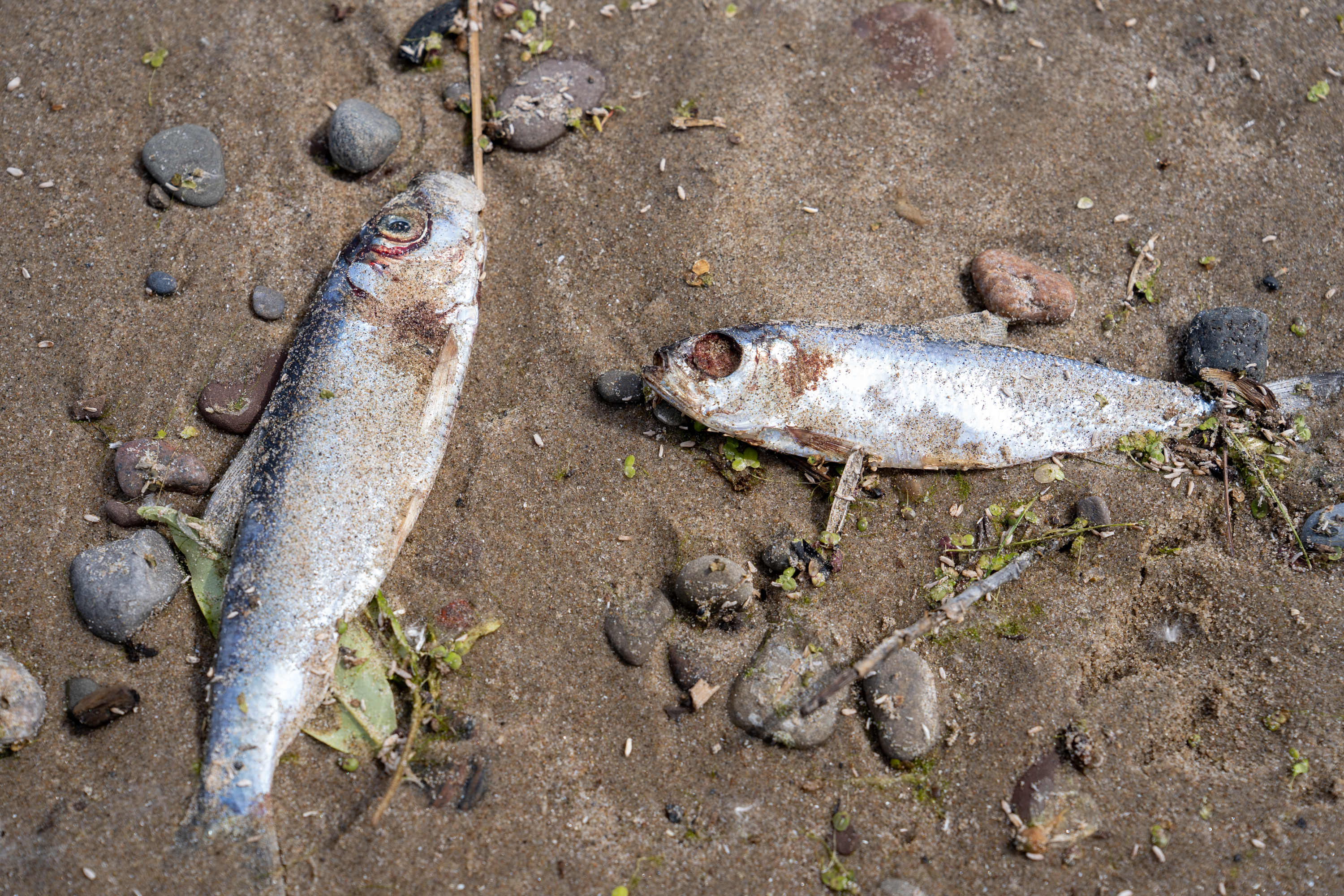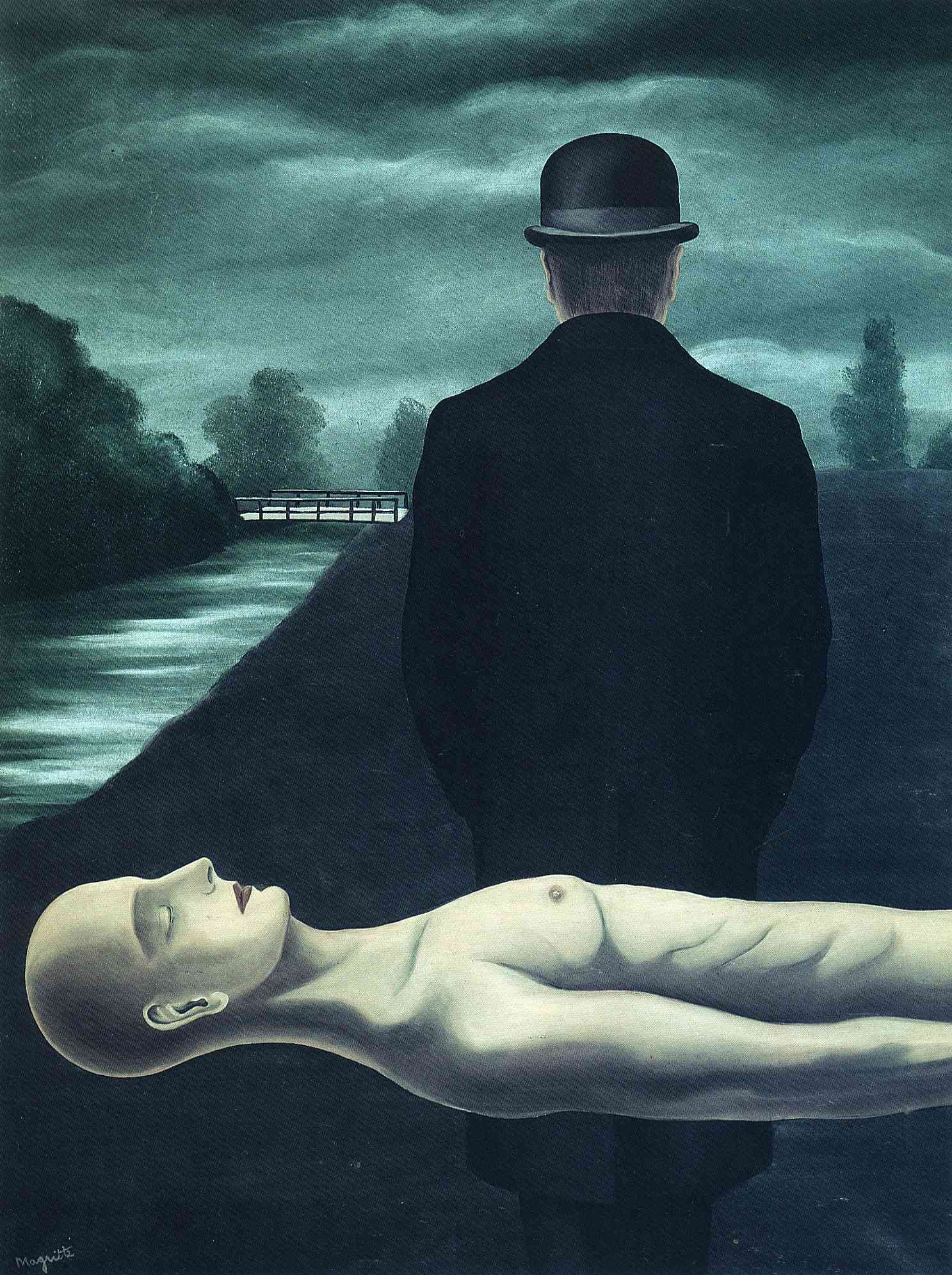
there they are
spattered
over frozen ground
always dark
always violent
always nearby
risen faceless
fueled through hate
not men but destroyers
(February 12, 2026)
by

another warm day
too warm for February
the knife’s at our throat
belief thrives in a stasis
change requires an awareness
2) Predictive Value in Metaphor
each morning we ask
after the night’s restlessness
as if a portent
one thing is like another
thus as above so below
(February 10, 2026)
by

he shifted to the third person
someone outside his skin
someone easier to understand
someone easier to forgive
somewhere easier to hide
he felt under interrogation
for years answers formed easily
short sentences small words
now the simple questions
were grey nuanced and difficult
set with slow traps and baited
with articulate parenthesis
now he was no longer first
now he had someone to blame
(February 5, 2026)
by
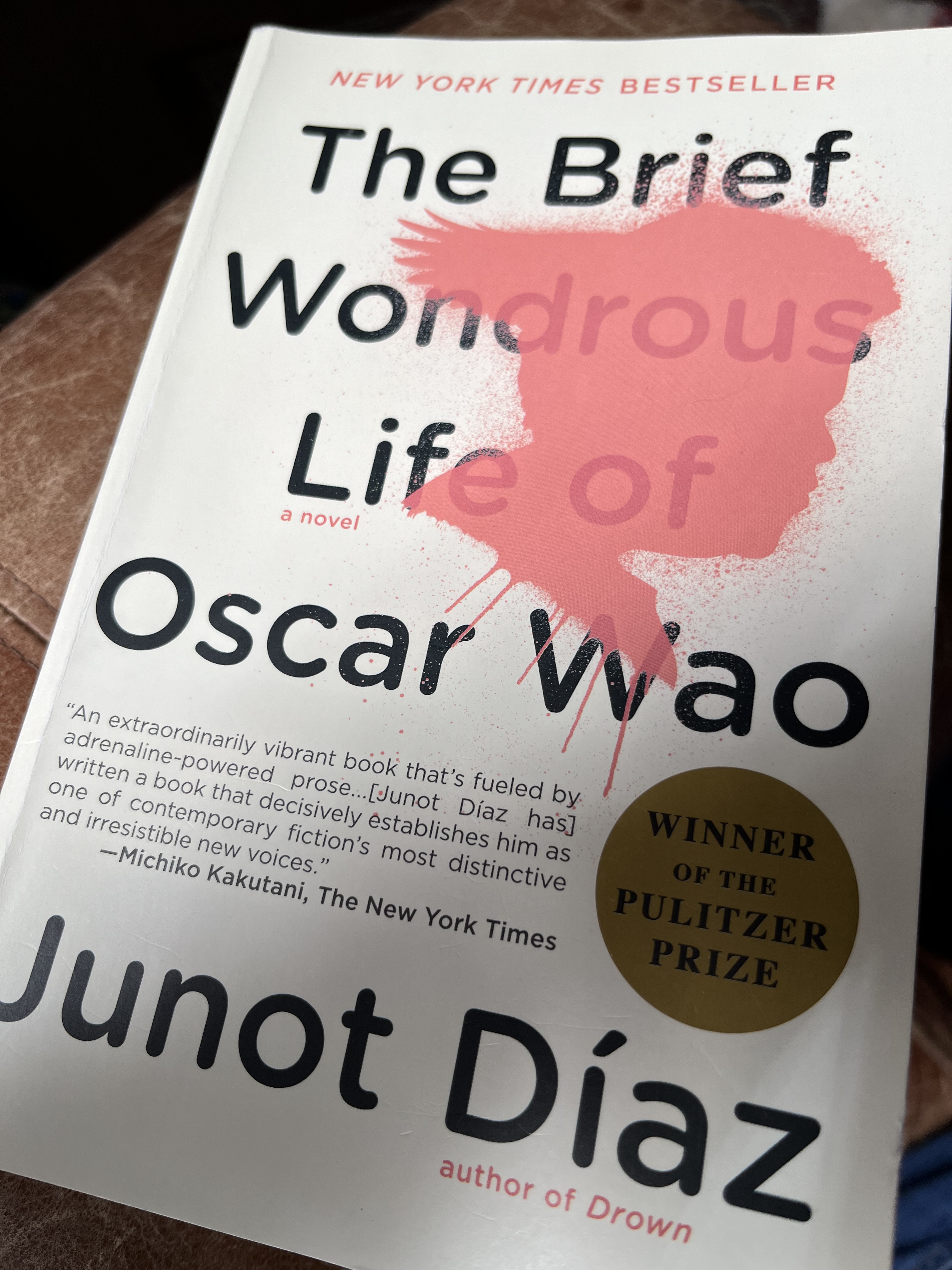
I finished The Brief Wondrous Life of Oscar Wao by Junot Díaz, the RFB book for February, just now. By the end I liked it better than I did while I was reading it. In other words, Diaz brought it to a close masterfully. It is a sweeping family drama story on a simple level. But more so how history-in-person, history-in-place, and how the stories you hear from your family’s history form a large part of your destiny, identity and “fuku” (curse, I believe). Ultimately it is a story of love, albeit a tragic story of love. A line from near the end of the book: “ She was the kind of girlfriend God gives you young, so you’ll know loss the rest of your life.” A line from the narrator, which I believe is the opposite of what was given to Oscar, which was more the kind of girl God gives you so that you will know the power of love to bring you happiness. Even if only for a brief wondrous moment of your life.
by
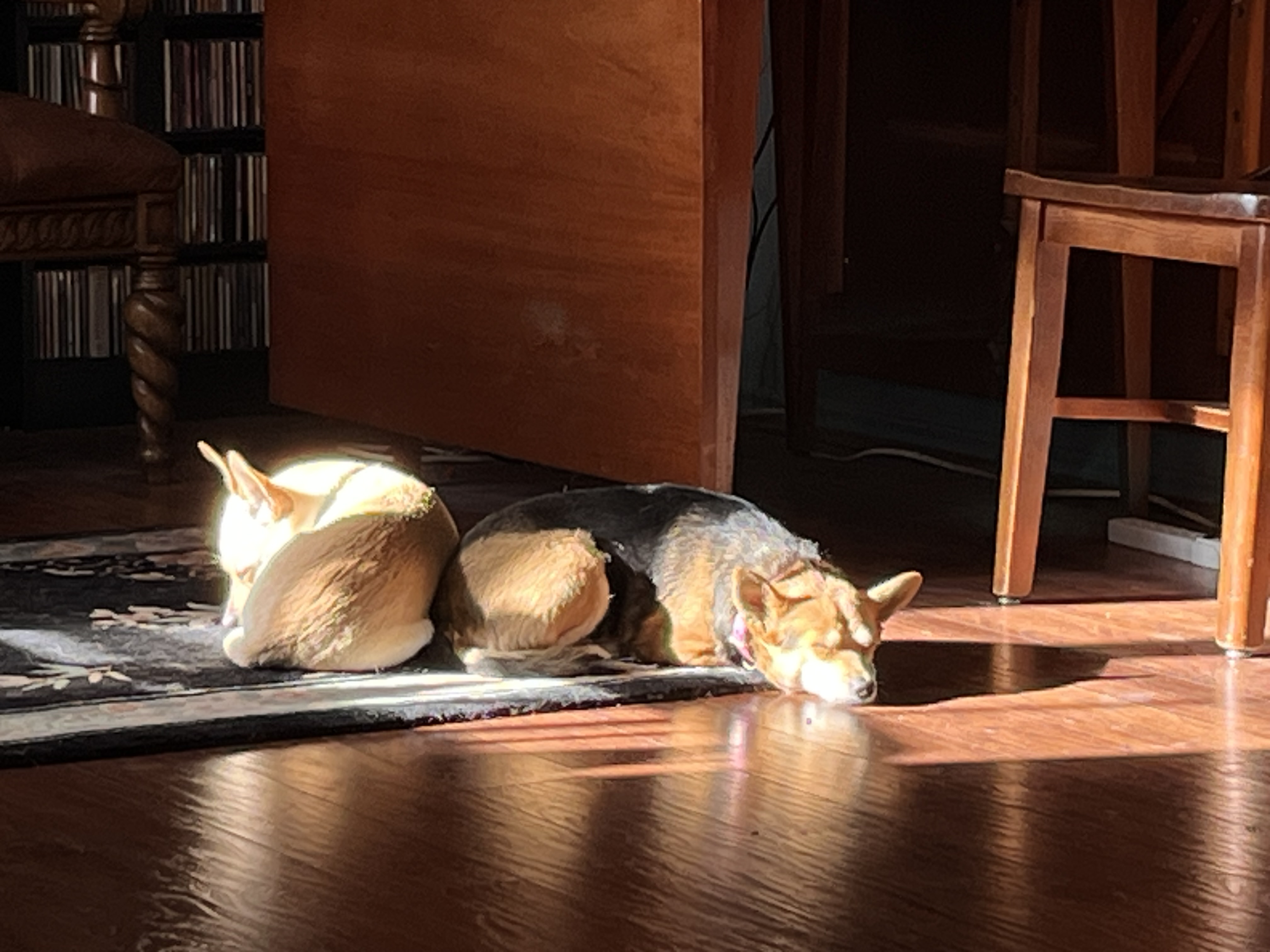
Maise, our dog, lounges on the over-stuffed arm
of the old leather chair which squats squarely
next to a bare window in the front room.
The late afternoon sun pours bright puddles
of warmth on the floor for her to bathe in;
and from which, if inclined, she may muster
yips and growls at people slowly walking
their sweatered dogs on the sidewalk outside.
I fear falling on ice still lingering
on neighborhood paths, so we stay inside.
But that is just an excuse, I hate cold
weather as much as I tolerate heat’s
dominion during the long summer months.
Even when I, like this poem, go nowhere.
by
Our two dogs don’t like the cold rain today;
they huddle deeper into the blankets’
warmth still tangled across the bed upstairs.
I watch the neighbor’s small duck flock parade
behind his fence squawking their displeasure
with the world’s cold misappropriations.
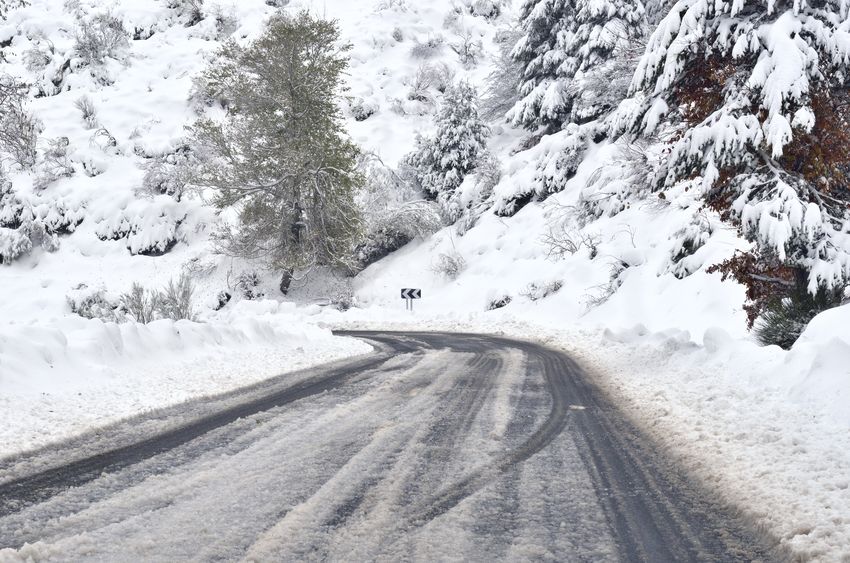
Much farther north of here an ice hardens
quickly into a fiery discontent.
The TV weathermen predict winter storms
will settle darkly across the country
with dire warnings of icy roads to come.
We live out our lives in dangerous times:
where we must brave the cold outside to live,
but any warmth, like love, is hard to find.
(January 24, 2026)

no one is home
no one sits in the dark
alone
no one waits for the key
to slip in the lock
and turn with a click
no door opens
with a repressed
creak
no one is left
to ask for explanations
but you
no one but you
and it is late
and the house is dark
(January 23, 2026)

In this dream,
I unfold other maps
between petulant winds.
In this place, I am known,
but not by this name,
not in this direction.
I have lost my way.
It was a mistake
to come here today.
Ignorance always wins,
because it does not know
it lost long ago.
Tracing a vein in my arm,
I find a way home.
(January 17, 2026)

I want to worry
about our dogs
barking randomly
along the back fence
at shadows and leaves
while the occasional squirrel
fusses at them
from the safety of a tree.
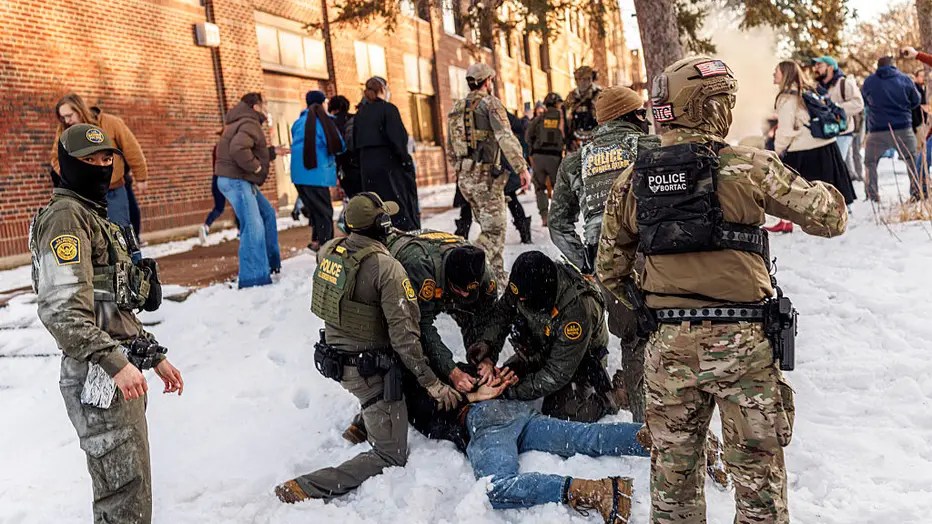
Instead wolves roam the streets
fur stiff with dried blood;
and eviscerated prey
muddy the snow,
while neighborhood dogs
howl through the night.
(January 14, 2026)
by
“the world is too much with us”
-W. Wordsworth
no longer the getting and blind spending
though that is still here teeming at our feet
like low-level radiation leaking
into the spongey ground we walk upon
but the powerful’s thick drooling anger
flailing curses wildly on everyone
that does not resemble their idea
of a pastoral past they never knew
this is the time I have come to live in
a time where the soft smell of hope lingers
like a dusty corpse left alone at home
when to be cloaked in ironic disdain
is to disguise an intellectual
self-revulsion that equivocates death
(January 10, 2026)

I finished “If not, Winter: Fragments of Sappho” by Anne Carson last night. This is the second time I have gone through this book from start to finish. The last time was about 13-14 years ago. I have picked it up randomly over the years reading bits before putting it back on the shelf. When I read it through years ago, I was also reading Carson’s “Eros, the Bittersweet,” which has several essays about Sappho. It helped. Anne Carson, if you don’t know, is an Ancient Greek scholar, who is also (imho) one of the most interesting writers in English today. She is probably best known for “Autobiography of Red,” but NOX should be on everyone’s reading list. As with the last time I read “If not, Winter,” I was reminded of Guy Davenport’s “7 Greeks,” because of the number of poem fragments which were translated with gaps in parentheses. The empty spaces made me think about two things: 1) the importance of silence and the use of space in creating meaning, and 2) how much meaning one word can carry without effort, and how placing simple words next to each other opens portals into other worlds which go beyond what is contained in the solitary words by themselves.
What do I do
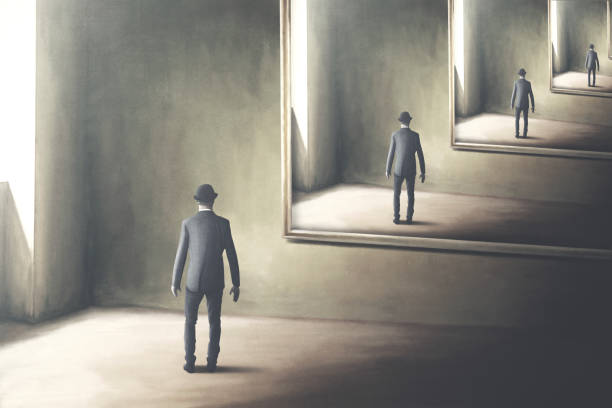
with the I here,
with the voice here,
with an other
who is just me;
yet, not as well?
For so long now,
I have written
into my life
out of my life;
I know myself
as different,
something other
than what I write.
Someone must breathe
behind these words,
must speak slowly
to understand.
What is being
sotto voce?
Am I speaking?
Or listening?
What tight constraints
must be applied
in order to say
that I am here?
(January 7, 2026)