memory agitates into vision media res: the precise moment of peak self-revulsion, the inaction, the cowardice, the lie inherent in regret— when nothing more could have been done, nor anything now retroactively applied which can act as balm to the shame carried for decades through the day in those quiet moments on the way to work, waiting for the light to turn green, or some phrase, or song on the radio which tumbles memory’s cascade through the spongey canyons to again reconfigure itself into this contiguous present as some other story without static cause
He didn’t know how to act, and had no script to follow. She knew her part without book, and said all her lines with ease. This was, she pointed out, not her first time in this role. It was, he thought, a true love story, not just another chance for her to reprise a stock character. Repeatedly, she set the scene, hitting her mark, an easy cue to follow. Scene after scene, he vaguely wandered the stage, wishing he knew what to say; wishing he knew what to do; unable to act on his desires. She was confused. What was his motivation? Why wouldn’t he act? Why did he not respond correctly? Eventually, the farce ended as it began, without preamble, or resolution. Some one laughed in the wings, followed by a slow clap. Then, like a ghost, she left the stage, leaving him to ponder their performance alone, as the lights slowly faded past memory.
Two thousand miles away to the East, the Mad King storms about the castle crashing into people and things he doesn’t understand. People are confused, and unsteady, like a boxer on the ropes. A few of the courtiers prefer it this way. They’ve learned what to do, and how to do it: where they can pursue their malevolent obsessions; while at the same time, create vast personal profits at the expense of everyone else in the kingdom. They quickly slither about the castle, staying close to the walls, so that no one pays them that much attention. The Mad King’s daily ravings on the ramparts help them go unnoticed most days. Everyone loves a jester, especially slap-stick. The Mad King provides the chaos, and loves the attention it brings to him. Sometimes the courtiers slip up, illicit money falls from their over stuffed pockets, or the Iron Mask slips from the latest guest to enter the hospitality of the dungeon. We are all shocked when we recognize them. They had seemed so nice. There is the polite kerfuffle which used to entertain the peasants for weeks at a time, but now is only enough to cause us all to look up for a moment or two from our lives, if that. Life has become so hard these days, what with the plagues spreading so rapidly and randomly. Even the chickens have slowed down on their egg production, as if they fear bringing their young into the world. It is all we can do to curse them all under our breath and hope for a better day, knowing, all the while, that there is no heroic knight riding to save us; no magical cure from the King’s madness. There is always another pretender nearby, humming his idiosyncratic song of death.
“If you haven’t read hundreds of books, you are functionally illiterate, and you will be incompetent, because your personal experiences alone aren’t broad enough to sustain you.”
—General John Mattis
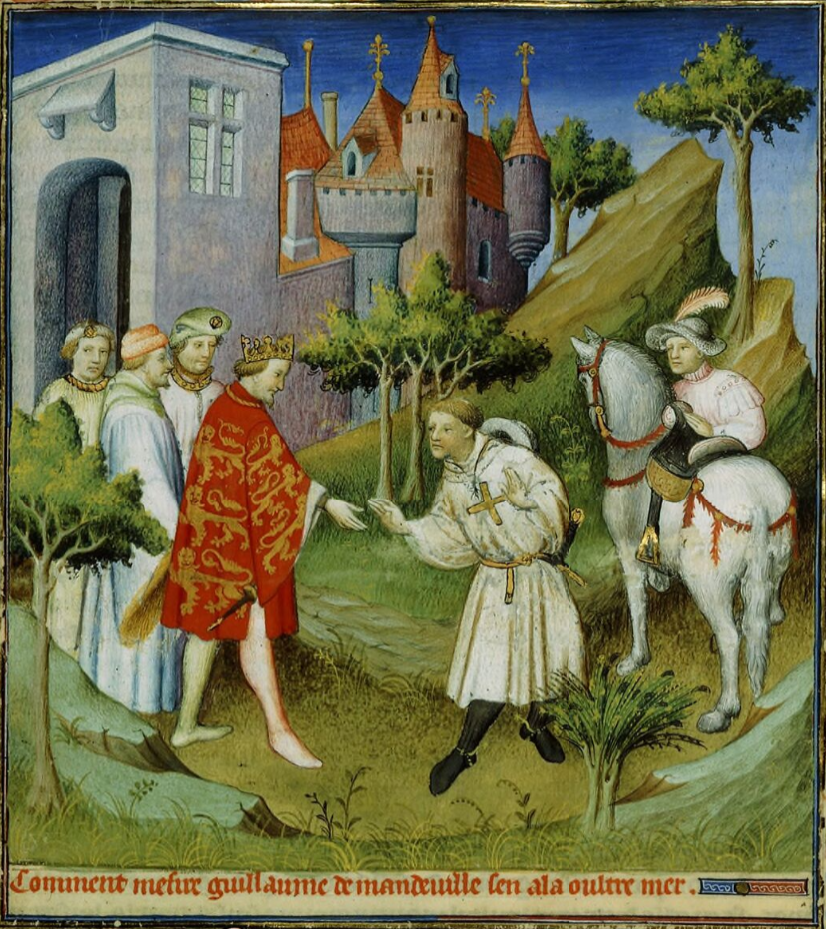
Some days the distance across the room is problematic. Like now, I am reminded of a book by something I just read, but cannot see from where I sit if it is on the shelf. Prester John would know, but he lives somewhere else far far away surrounded by pagans and others I can only imagine. But for today, I am lost in thought. Prester John and his mighty Christian armies could lead the way, if only I could find him somewhere nearby. Perhaps tomorrow, or the day after, I’ll remember to look in that book over there. For now, I am tired, and it is almost time for dinner, and I have such a long walk home through the village square before dark.
Ghosts move through the house, sitting on the kitchen table, on the arms of overstuffed chairs, looking at the blurbs on the backs of books left casually on side tables as if they still knew how to read. They have something more to say, but they have lost their ability to speak. I loan them my mouth. Their words almost fit what I say. They speak in the footnotes as unacknowledged experts to cite variations and caveats. Although no one has time to read their comments, their soft attention to others’ details reshape the shadows until memory begins to cling to their faces like stone veils, or muscles to bone. They no longer belong to the story they once were, anymore than I know the end of mine.
As if leading a ritual, the dogs wake me from dream. Their wet noses snuffle in my ear, scenting for traces of consciousness. I slowly collect myself, then escape down the stairs alone. Their task complete, the dogs curl into the warm shapes I leave behind in the tangled sheets. I’m cold, so I wrap myself in one of the brightly colored Mexican blankets Lisa bought more than twenty years ago along the border. Behind me on the counter, the coffee pot begins to gurgle and spurt. I watch through the sliding glass door as the leaves fall from the cottonwood and sycamore out back. Chasing squirrels most of the day, the dogs have worn two paths through the grass, each ending in the same place on the far side of the cypress at the bottom of the yard. These paths breathe cliche, no less so because mundane. The squirrels, out early, leap from tree to tree, dropping to the ground unmolested to collect acorns they buried, somehow remembering where they are months after the fact.
“We are all in the gutter, but some of us are looking at the stars.”
—Oscar Wilde
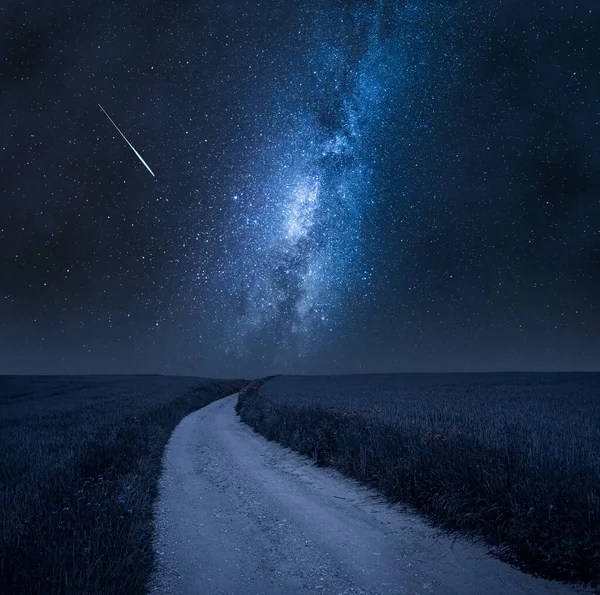
Late at night, beneath a new moon, after too much cheap vodka and pot, a group of us, friends for most of our lives, gathered out on Tipton Road, a one lane gravel road running between two farms a few miles outside of town. The closest light glowed dimly from a farm house a mile or so in the distance. Infrequently faces were illuminated briefly like angels in old paintings as someone lit a cigarette or another joint only to disappear quickly back into the dark. We talked quietly about impending graduation, going off to college, or jobs, or the military; our parents, our girlfriends, knowing we were all losing touch as we spoke.
As we headed back to the cars, someone said, “Where’s Jackie?” He had wandered off on his own without anyone noticing. We all started calling for him in the dark. No response. We called again, then again: no response. Then faintly from a ditch next to a corn field down the road, we heard him giggle to himself, then shout out, “The stars— Man— look at the stars— look up— the stars are so close.” As one, we all looked up. The stars were brilliant and beatific, as for that moment were we.
We pulled Jackie out of the ditch, staggered to the cars, then finally back into the dark to find our separate ways home.
Here is a madwoman, dancing, while she vaguely remembers something. She longs to possess it, grasping the air with hands broken like branches. As she dances, naked, down the road, the memory tangles through her hair. Between her desire and memory, she can feel herself smudge into darkness. It is something like the smoke that slid long ago through the hallways of the house she once lived in. They were all happy as time flowed around them. They danced to a music that passed between them like birds flitting through branches. He held her then as if she were as fragile as air. Her memory becomes her partner, but not the partner of her memory. He was as solid as stone on the day she first saw him. He arrived with spring’s flowers igniting the air with their passion; its echoes now flow thick like water and ash. Now everything’s cold and winter never ends. His hands were like fire caressing the kindling of her body. Time was eternal and demanded no penance. Their laughter was joyous and private; the children all danced, giggling around them. When the last child died, she wept alone by the fire. Now children chase her and throw stones at her, as if she were a blackbird.
seed text: The Songs of Maldoror, by Le Comte de Lautrémont
Each day that summer as I walked home from concentrated classes at the University (Early Modern Philosophy: Descartes, Kant, Hegel, Hume, Berkeley all in six weeks), I would wave to an old woman who sat on the porch of her disheveled house drinking coffee, I assumed. Each day for a couple of seconds, we would affirm each other’s existence in the other’s life. One day she called out to me, she wanted my help with something. I hesitated — for I had places to go, people to meet all afternoon. I was afraid she would take more time than I had to give. After I negotiated her neglected front lawn, she held out an old alarm clock, “It’s broken,” she said, “I don’t know what the time is anymore.” I took the clock from her crumpled hands, turned the key a few times, and it started to tick loudly. She thanked me, and I went on my way. The next day and the day after that for the rest of the summer, I never saw her again. Although, now and then, for the last forty years, I think of her, her clock, and the time she took that day.
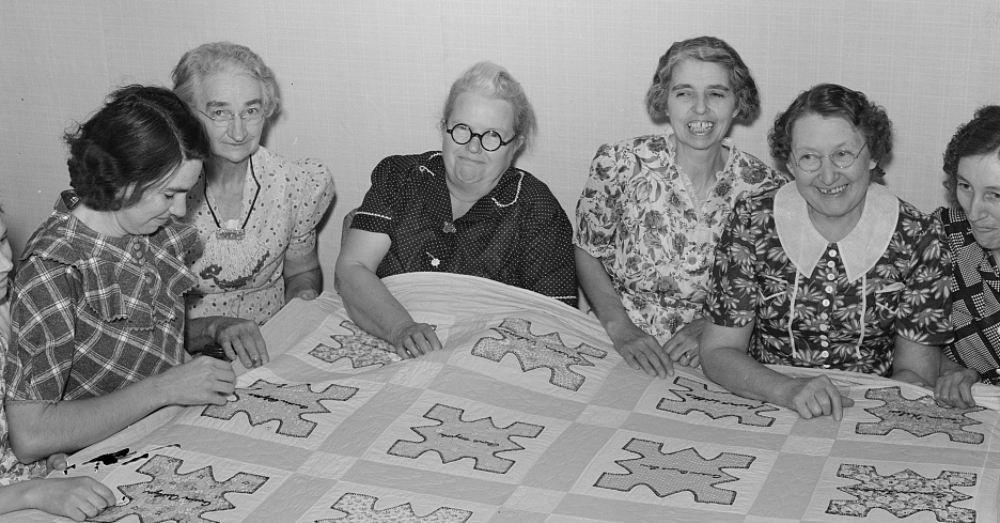
The ghosts enter my dreams again. They dislike the arrangement of the furniture. So, they move the leather couch to the opposite wall, reset the clock, close all the doors, open all the windows, letting bugs get in, and finally turn off all the lights except the one over the kitchen table, which glows eerily as if in a noir movie from the 1950’s. I have to admit the new arrangement of the room makes for a better flow overall, yet something is still wrong. Although I see all of this, I am not there. I am somewhere else, disconnected from my life like a mirror. I try to speak, but the words come out backwards, the syntax jumbled and slurred. The ghosts look perplexed, but as an act of condescension, they don’t pay any attention to me. They serve themselves tea from a fine china teapot into matching china cups. They speak to each other nonchalantly, about memories I recognize as mine, but do not recall well enough to contradict the revisions they are making. After I wake, and then through the rest of the day as I wonder about the house, I pick up scraps of what was said, and try ineffectually to sew my desires back together as if they were a patch work quilt collectively stitched on a Sunday afternoon over gossip and prayers. Yet, something is missing: I think it might be me.
Of course as seventeen year olds, we thought we were being quiet as the five of us grabbed the watermelons from the patch he had in his front yard. Giggling drunk and high, we stumbled over the rows to the panel van, juggling as many of the melons as we were able to carry each trip. Then the house lights blazed through the open windows, the screen door slammed open banging against the house, and he exploded onto the porch raging. We scattered like rats. “What the hell,” he screamed as if an evangelical preacher come Sunday morning condemning all sinners. Not waiting for the expected shot gun blast to rend the air, we leapt without grace over the rows of watermelons, scrambling into the van that idled nearby. Nate hit the gas before we were completely in. The van’s doors flapped open like mouths panting. We all screamed for our lives, as watermelons rolled out the back to thud like dead bodies onto the moonlit summer street.
The shuttlecock flits nimbly across the loom with a soft clacking beat. “For every time I’ve told this tale, I’ve told it twice again,” she implies with a sigh as she begins. She speaks of patience and home, and slow unsolicited seductions, as time unravels across the floor like red pools of forgetfulness at her feet.
He watches her hands shift the threads as if playing upon a lyre. He thinks, “There are so many ways through the woods; so many rivers and creeks to cross; so many hollows and caves to wander lost, always different, always the same as the ones crossed before.”
For years and years as he wandered, he watched the waves pulse repetitive hallucinations and horrors towards a horizon he could no longer see. Unearthly monsters churned the waters feeding one upon the other; the past devoured the past with a ceaseless hunger for more. While elsewhere late at night, she walked the halls without a light, leaned against a shuttered door, and listened to the incessant voices muttering their plots and plans for a life she abhorred.
As the story faltered to its close, there was no soft landfall upon the strand, no wreck scattered upon a beach; no violence in their reunion, nor familial embrace. What had grown between them, tangled like olive tree roots upon a cliff, could not be troubled enough to be called love, if it could be called anything at all.







 subtext